
Introduction
When people think about water in ancient civilizations, they usually picture that drinking water was very limited. Most people think that the water was unsanitary, resulting in illnesses and increased mortality. While this was true for many parts of the world, it was far from the truth for the Roman Empire. Before the Roman Empire, Romans likely relied on either groundwater or the Tiber river, using wells and cisterns to collect water. However, as Rome began to grow in size and populations, these wells and cisterns were simply not enough to sustain the population. This led Romans to look for alternative sources of water, bringing about one of the greatest accomplishments made by human civilizations: the aqueducts.
The first aqueducts were built in 312 BC and the latest one was built in 226 AD. Built primarily during the time of Julius Caesar, Augustus, and those after, eleven aqueducts helped distribute water to Rome from different sources(Arevalo 2022). When the aqueducts were completed they brought fresh water for drinking and supplied water to utilities, like baths, and decorations, such as fountains. The construction of the aqueducts, and the delivery of fresh, clean water, was one of the main reasons that Rome began to expand and prosper.
However it wasn’t just the aqueducts that helped Rome prosper; it was also how the Romans distributed water from the aqueducts throughout the city. Once water arrived in Rome, it had to be distributed to serve different purposes for the city. Romans developed a complex system to help manage and filter water so it could flow through the city. They also had to create a system so that water was distributed efficiently and equally. This helped Rome prevent severe water shortages, especially during times of drought, and avoid civil unrest.
In this article, I will explain the construction of the aqueducts from source to city. I will explore how the aqueducts were built, what engineering methods and materials were used and what obstacles were encountered along the way. After reaching the end of the aqueducts, I will explain the workings of the water distribution system in Rome, such as where water went, which areas got more water, and how the Romans prevented areas and people from getting considerably more water than needed. Finally, I will detail the legacy of the aqueducts and the water distribution system and how it helped form water systems in the contemporary world.
The Journey
Like with all water management systems, the Roman aqueducts had a source of water. Rivers, springs, lakes and even a marsh helped supply aqueducts with water. The map below shows the aqueducts’ routes from the source of water to Rome.
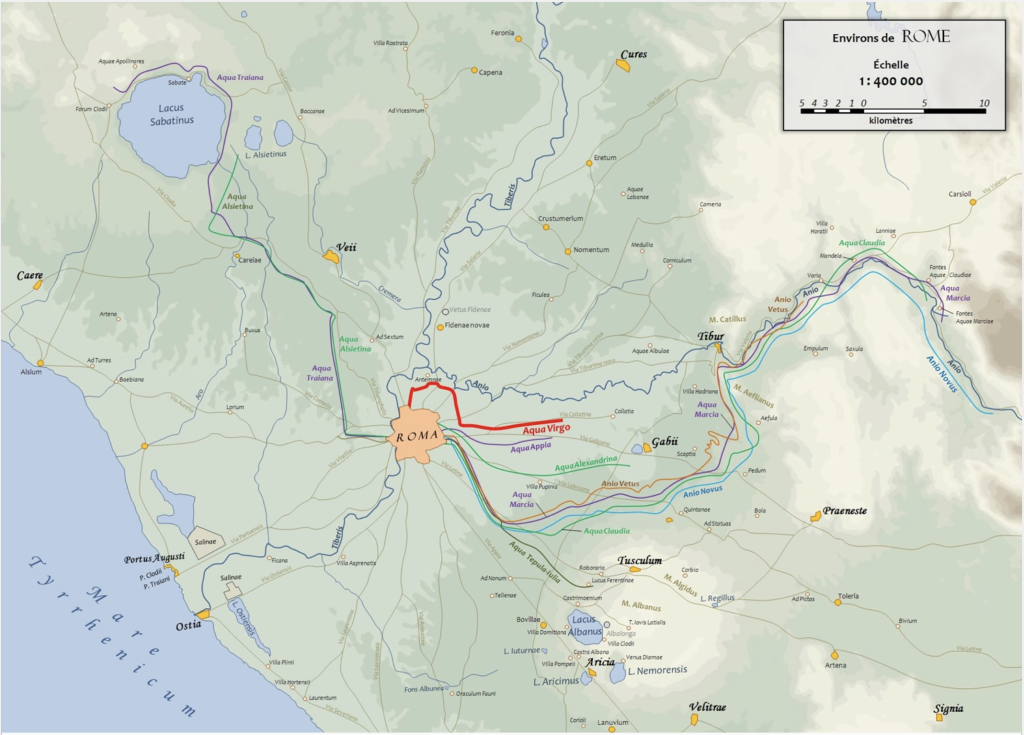
Figure 1: Map of the Roman Aqueducts (Dragoni, n.d).
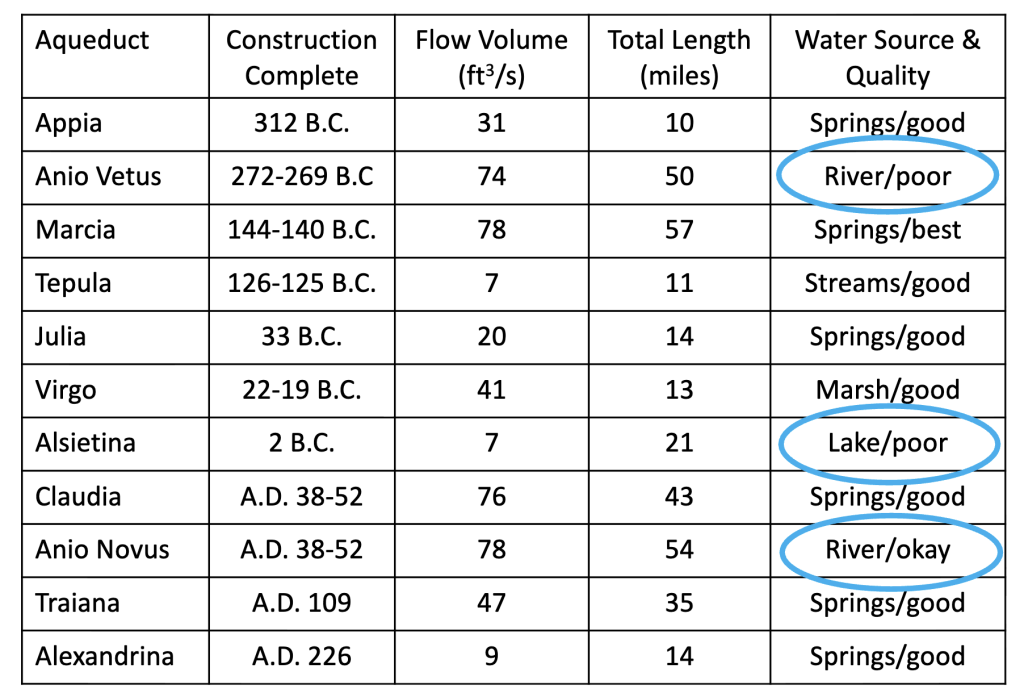
Table 1: The 11 aqueducts and their sources (Murray)
The most preferred source of water, as seen in Figure 2 above, were mountain and hill springs, which were the primary sources of six of the eleven aqueducts. To collect from springs, Romans used a catchment basin, while collection from rivers and lakes used classic structures like dams. In figure 2 below is a sketch of how the Romans would have collected water from a mountain spring.
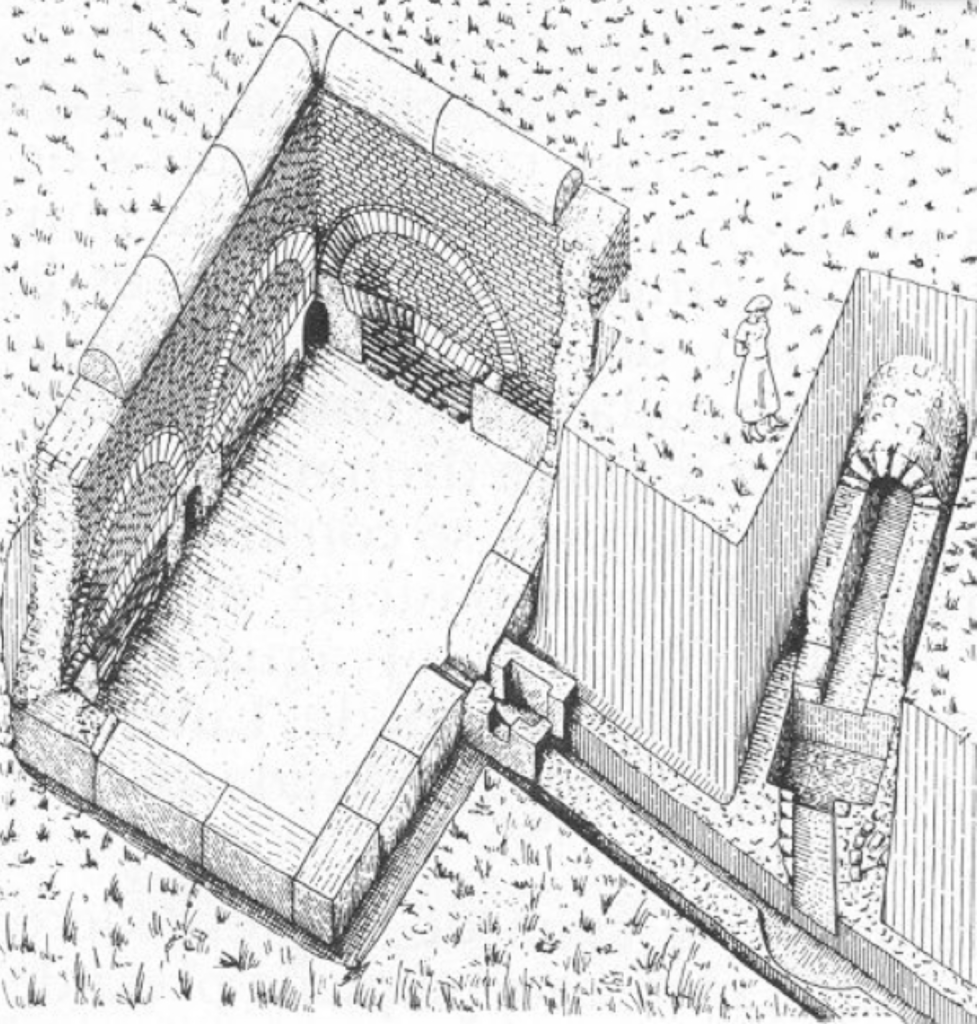
Figure 2: Catchment basin that would have been used for a spring water source (Schram, van Opstal and Passchier)
From here, water simply traveled down the aqueducts which were constructed with a very shallow grade in order to control water speed and prevent damage to the stone and concrete channels (Earthdate) which we will get to later. The majority of each aqueduct was underground, which was critical for keeping water resources hidden from enemies and to make water transportation easier. However, Roman engineers encountered environmental obstacles during construction, such as mountains and valleys. While mountains could be easily avoided by simply going under them via tunnels; however, valleys were a different story. Here Romans had two choices to use, either arcades or siphons. Arcades are the giant arched structures that we know of today that make the aqueducts so famous. Romans also used inverted siphons but very few of the aqueducts had these. Finally once it reached Rome, the water then had to go through the castellums, fountain, and other systems where Romans used water (Arevalo, 2022).
Aqueduct Structures and Methods
Construction of the aqueducts was a long, complex and expensive process for the Romans. The cost of materials and expenses of the workers were paid by the emperor, even though these expenses were offset by selling water rights (Deming, 2019). Architects and engineers building the aqueducts had to use a variety of methods, materials and structures, determining how they should be built and the best structure at certain points along the aqueducts.
Tunnels
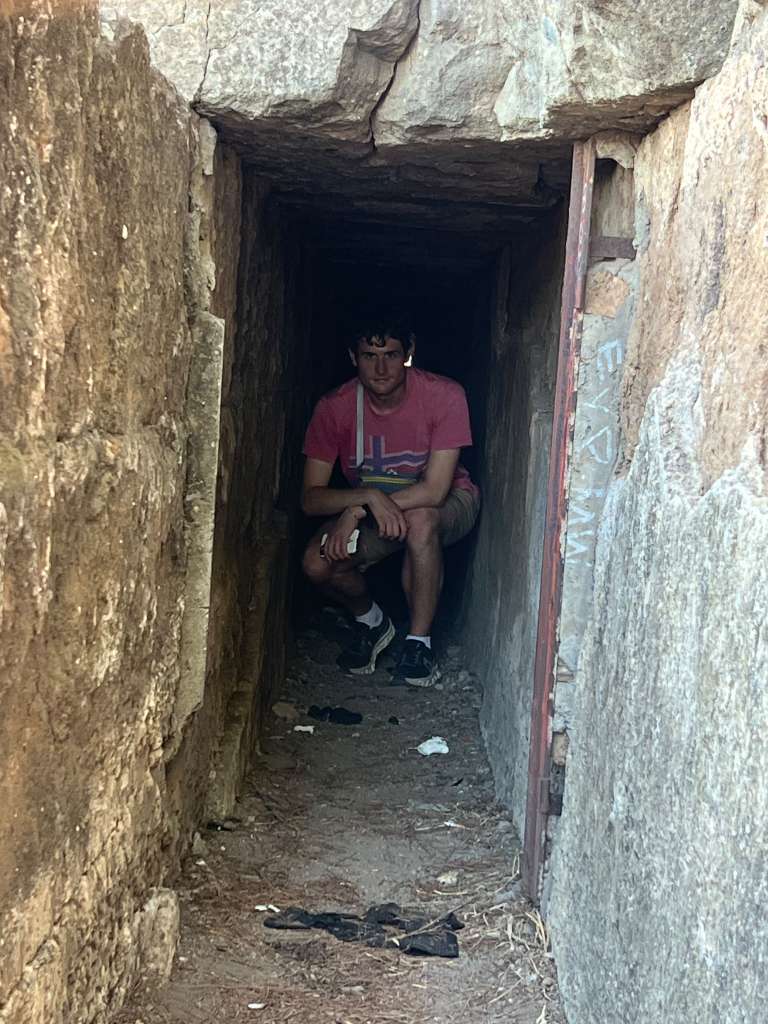
Figure 3: Author in a Aqueduct Tunnel
The tunnels were by far the easiest to build for the Romans because they were low maintenance and, as mentioned earlier, could be hidden from enemy forces. For tunnels, Romans adopted the qanat system, originally invented by the Persians. In the qanat system, workers dig a series of vertical shafts at regular intervals, dug by different dig teams. They would then use plumb bob lines to measure the depth of the shaft and to determine the slope of the tunnel with precision (Vitruvius). Then workers dug and connected the shafts, allowing the tunnel construction to be done at a faster pace.
Once they had finished the tunnel, they lined the walls of the tunnels with a well-stamped, crushed-brick concrete layer at least 15 cm thick. This was to prevent leaks and shrinkage. This concrete layer was made out of pozzolan–the same type of concrete that was also used to build other famous structures in Rome. It is best known for being able to set underwater. The pozzolan also prevented water from entering the surrounding stonework of the tunnel which could cause instability and breaches within the tunnels (Malinowski, 1979). When inside the tunnels I could feel the concrete lining along the walls of the aqueduct tunnels and see some possible evidence of repairs that were made.
While the aqueduct tunnels were the easiest and least costly method, they still required intensive maintenance. To ensure the tunnels were working properly, Roman inspectors performed maintenance checks every one to five years (Gutenberg, 2023). In order for inspectors to check the tunnels, they would use the vertical shafts from the construction phase. These shafts allowed workers to inspect the tunnels for cracks in the lining or blockages. When problems were discovered, repairs were made with a red Roman waterproof mortar called opus signinum. This mortar had the same waterproofing ability as pozzolan and allowed workers to seal cracks, even those in near-constant contact with flowing water. This mortar had the same waterproofing ability as pozzolan and allowed workers to seal cracks, even those in near-constant contact with flowing water (Malinowski, 1979). Based on this information the waterproofing material of the pozzolan and the red mortar was highly important to the Roman tunnels so that settling concrete or recent repairs wouldn’t simply wash away or fail when the water flowed.
Arcades
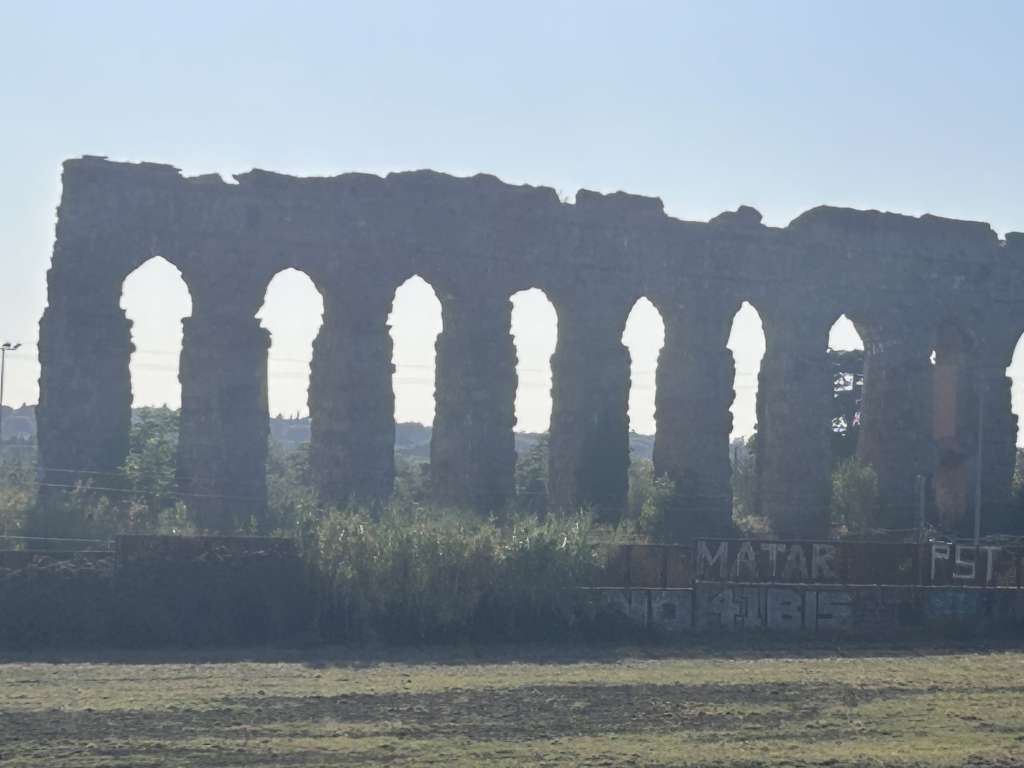
While tunnels were the main and preferred method of the aqueducts, Roman engineers and builders did have to construct above ground structures, especially when they had to build through valleys. These are the famous arched arcade structures, as shown in Figure 4 below.
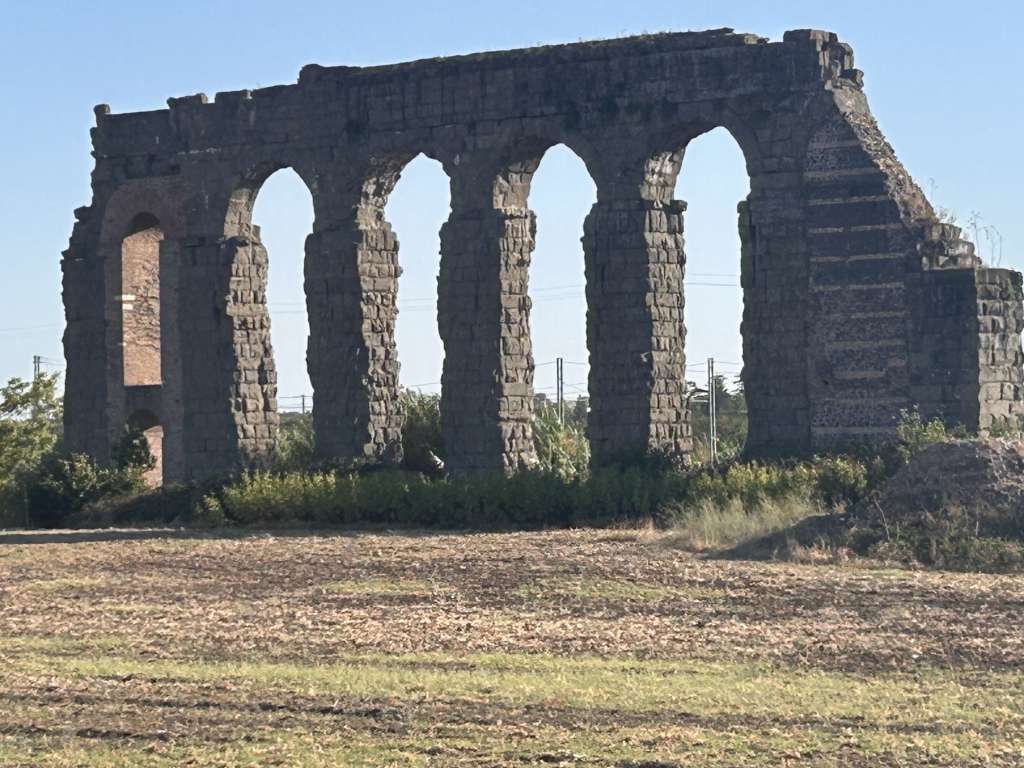
Figure 4: Aqua Claudia/Anio Novus at Parco degli Aquedotti in Rome
When people think about the aqueducts, the first thing that usually comes to mind and the first images in a Google search are the arcades–even though they only make up a small part of each aqueduct. These large and complex structures, stretching across the Italian countryside and valleys, were built in areas where there was a dip in elevation, which prevented the Romans from using tunnels, since they had to maintain the same gradient. An arcade’s structure is a series of arches within the aqueduct. Construction of these arches was highly complex and much harder than building tunnels.
Constructing an arcade required a substantial amount of time, planning, and effort. Roman engineers also wanted to minimize the amount of materials they needed so they simply stacked aqueducts on top of each other in some cases. Examples of this are the Aqua Claudia, Anio Novus and the Aqua Marcia/Tepula/Julia aqueducts, as shown in Figures 7 and 8 are stacked upon each other. These arcades were stacked in order to conserve resources, as building a separate arcade for these aqueducts would have taken more time and money.
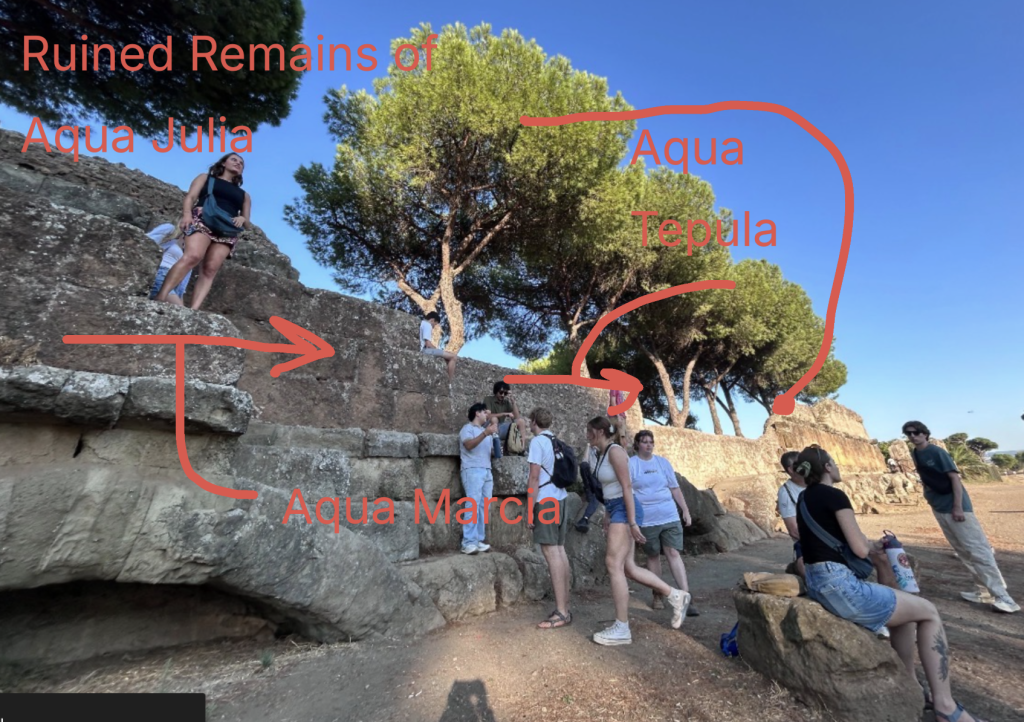
Figure 5: Labeled photo of authors classmates on the ruined remains of Aqua Marcia/Tepula/Julia in Parco degli Aquedotti, taken by the Author
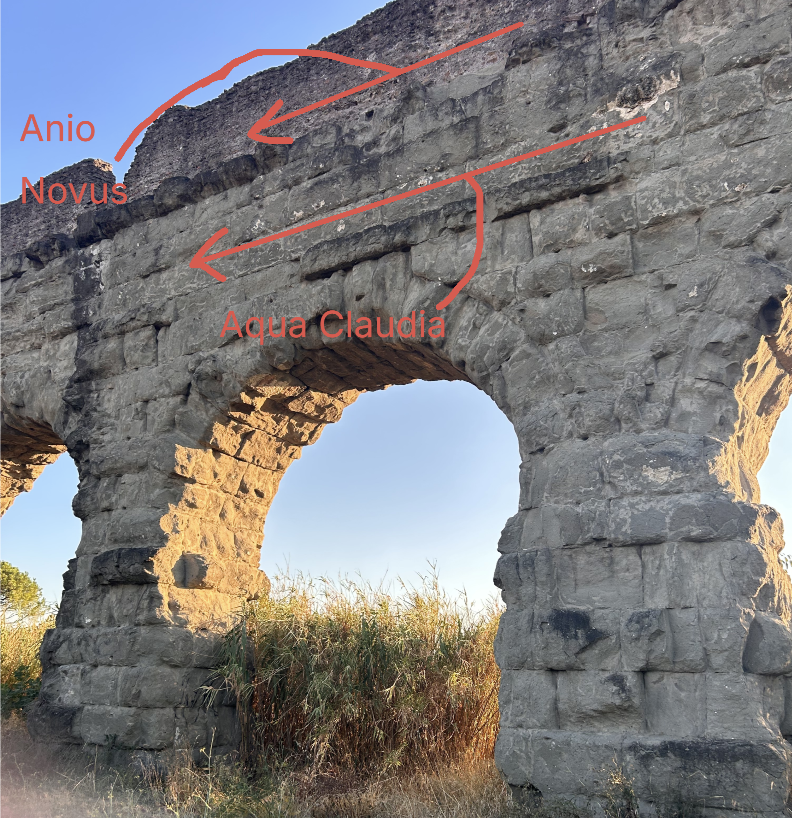
Figure 6: Aqua Claudia/Anio Novus stacked on top of each other
During the construction of the arcades, Romans utilized an ancient crane to lift the stone blocks into place. The primary material used to construct the arcades was tuffa, a compressed volcanic ash. Tuffa was a common construction material in Italy that came in three forms: stony, granular and sandy, which was used in hydraulic cement (Dembskey, 2009). The pozzolan concrete would have also been used during construction of the arcades because of its setting underwater ability would have been crucial for the water to travel through on the arcade.
Siphons
The most difficult structure of the aqueducts that Romans built were inverted siphons. Inverted siphons were not used very often and there remain no standing ruins of these structures. The Romans used siphons when crossing valleys that were too deep for a regular arcade structure, primarily to conserve materials and money. A siphon works by using atmospheric pressure to push water over the ascending side. The siphon pulls the water out of the reservoir until the level falls below the intake or until the outlet of the siphon equals the level of the reservoir (Fouke, 2017). In the aqueducts case, the water was collected in a storage tank and then crossed the valley through pipes descending on one side to the bottom of the valley and ascending the other side to the receiving tank. This is all due to the atmospheric pressure and in the absence of pumps and motors. Water was then fed into the aqueduct channel again to continue its journey; this is called an inverted siphon.
Once an aqueduct had passed a siphon, if it had one, it was usually finished or nearly finished with its journey and ready to be distributed to the Roman people. A good visualization of what an aqueduct would look like is pictured in Figure 7 below.
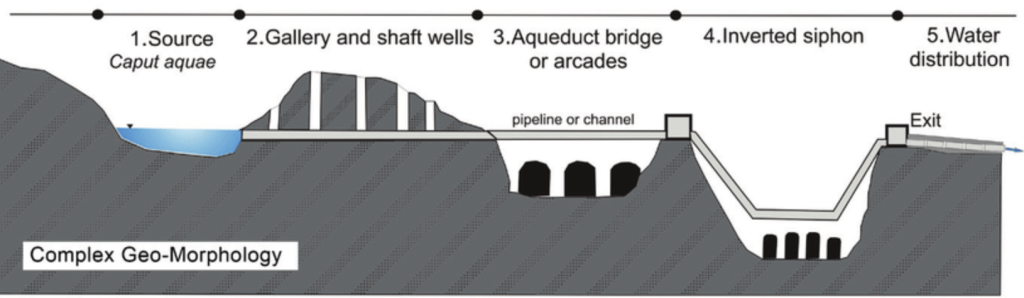
Figure 7: Rough Diagram of a Roman aqueduct from start to finish (Todaro, 2020)
Engineering Methods and Tools
While the structures of the aqueducts are amazing feats in Roman history, they only scratch the surface. The true feats were the engineering tools and methods that were used to construct the aqueducts.
Water Transportation
Water transportation was critical when designing the aqueducts because the water had to get from the sources to Rome without machines or pumps, as Romans didn’t have these technologies. Instead, Romans controlled the flow of water within the aqueducts entirely by gravity. While gravity was important for the flow of water, it could also cause problems. If the hydraulic gradient of the aqueduct was too steep or too shallow it could have structural or sanitary consequences. To prevent this, Romans had a target gradient of 0.02%, which ensured proper flow velocity without needing a pumping system (Alimonti, 2021). This target gradient prevented problems such as stagnation, from water flowing too slowly, and erosion of the concrete lining due to faster water flow, which I will go into more detail later.
Achieving the target grade of 0.02% for the entire aqueduct could not be done by sight, especially in a tunnel. During construction, Roman engineers used a tool, shown below in Figure 8, called a chorobate to help guarantee the necessary gradient.
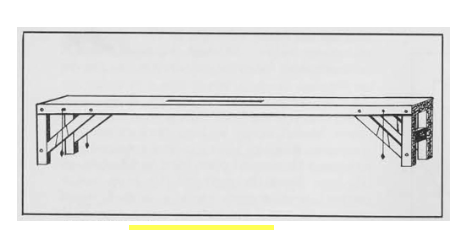
Figure 8: Chorobate, an important tool in Roman surveying (Expedition Magazine)
The chlorobate is a tool mentioned by Vitruvius as one of the three instruments for laying out an aqueduct (Expedition Magazine). It is described as a mix of a series of plumb lines and a water level, and the Roman engineers used it to accurately grade the aqueducts during construction. Vitruvius specifically states that the chorobate is used for leveling, so the chorobate was likely placed on the tunnel floor as it was being dug. The chorobate was an invaluable tool for the Romans because of the importance of the grade of the aqueducts. Even if the construction and materials were perfect, mistakes in slope would cause major problems. If the slope of the aqueduct was below the target gradient, water would have almost no movement, allowing for stagnation, making the water unsanitary. If the gradient was too steep, the velocity of the water would increase, which would cause the lining of the tunnels to erode over time, causing structural failure. The chorobate was a highly important tool to keep the aqueducts at a gradient of around 0.02%, so the aqueducts could remain stable and bring the freshest water to Rome (Baiocchi, 2020).
Arcade Construction
As mentioned earlier, Roman arcades were incredibly hard to build. After being up close to them and personally witnessing their scale, it is hard to understand how Romans managed to accomplish this. I will use Aqua Claudia and Anio Novus to explain how the Romans built the arcades and how they are structurally stable.
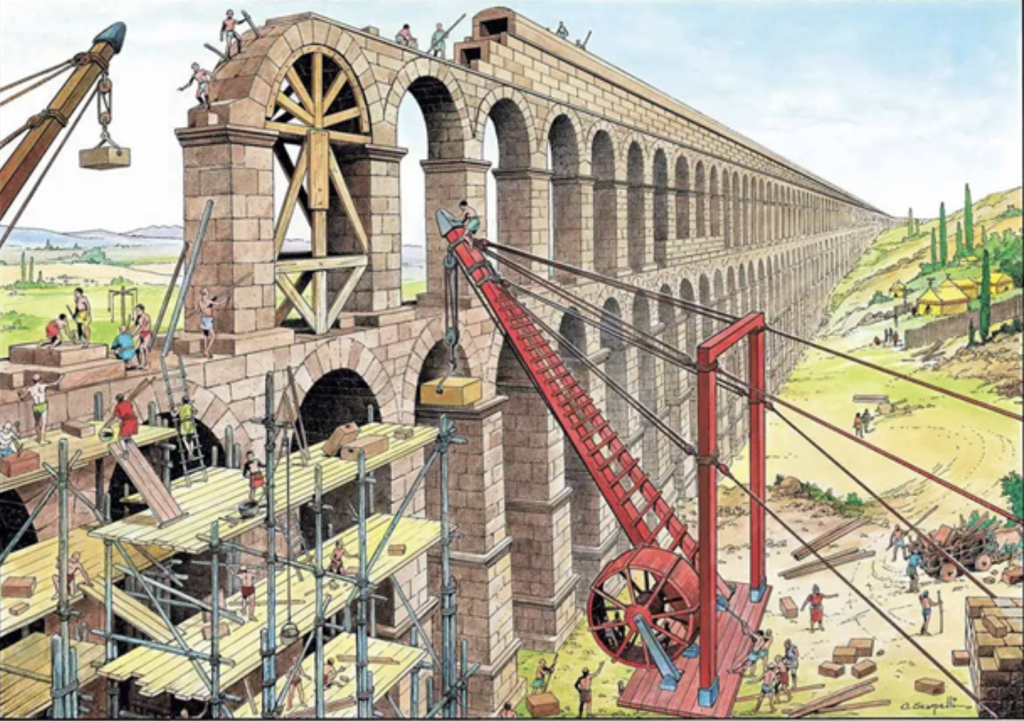
Figure 9: Artist representation of arcade construction (How Did Romans Build Aqueducts)
As seen in the drawing above, arcades were built using a crane, which helped lift stone blocks onto the structure, where they were then put in place by workers. They also used wooden frameworks to construct the arches. For the structural integrity and operation of the arcade, Romans used several engineering methods. The first method was to build the arcades on a series of arches to distribute the load and weight, which was clear from the design of the structures during my field visits. For Aqua Claudia and Anio Novus, these arches had to be larger than other aqueducts because of the higher load stress caused by transporting more water. When I visited the aqueducts at Parco degli Aquedotti, I noticed how tightly packed the stone and tuffa bricks were together and how they did not have a mortar, as shown in Figure 10 and 11 below. This was because Romans utilized a method called opus quadratum, which used rectangular blocks of stone laid in regular parallel courses without the use of a mortar (Coppola, 2025).
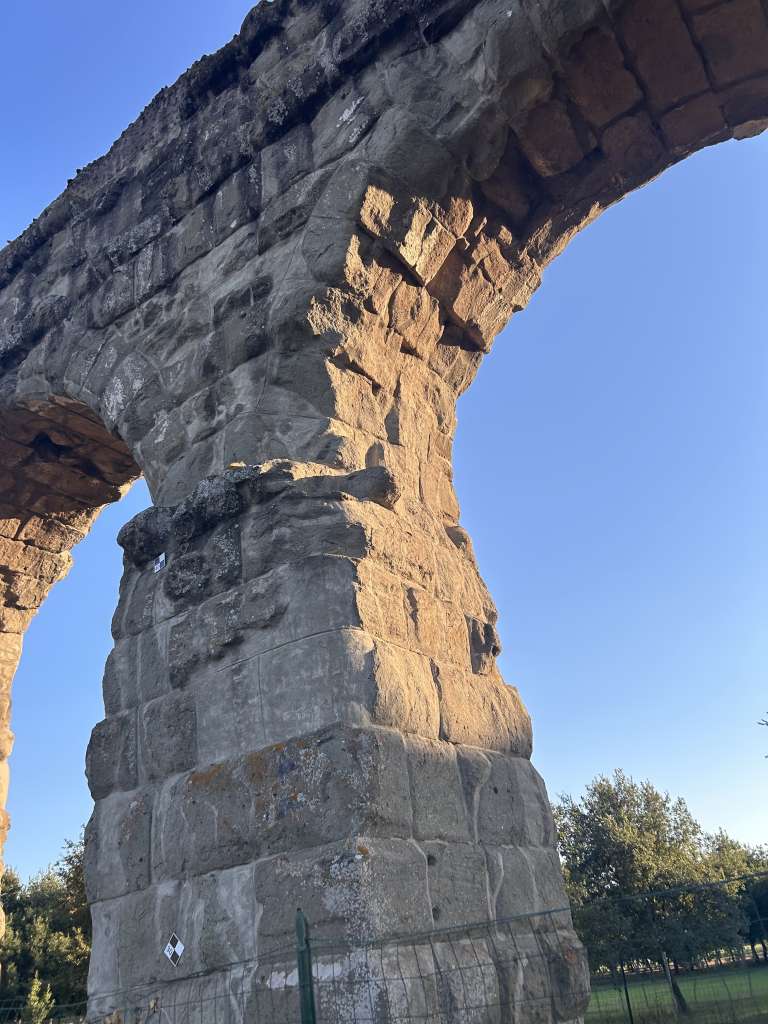
Figure 10: Close up of Aqua Claudia/Anio Novus, taken by author
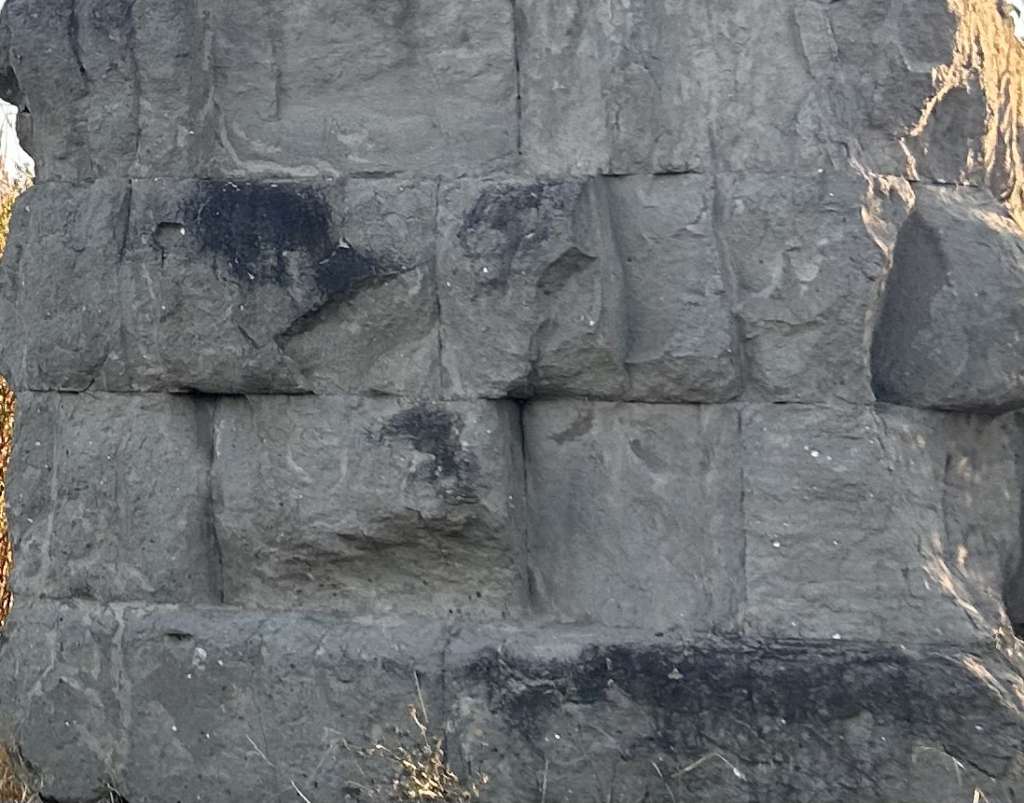
Figure 11: Close up of the same photo, look carefully at the placement of the stones and notice how there isn’t a mortar, showing the use of opus quadratum.
As seen in the photo above, the stone bricks are placed tightly against one another. The immense downward and lateral pressure, caused by the sheer weight of the blocks, would have locked the arcade into stable compression, preventing the structure from collapsing. However opus quadratum does not come without disadvantages. Since there is no mortar and the arcade relies strictly on gravity, that means there is vulnerability to lateral displacement, like shaking from an earthquake or severe winds. To prevent collapse due to these lateral forces, Romans used the arched design of the arcades to help distribute the vertical and horizontal loads downward throughout the structure, making it more stable to lateral forces acting upon it.
Like with the tunnels, Romans used the chorobate to keep the slope consistent, but that was not the only tool used. They also used a tool called the groma, shown in figures 11-12 below.
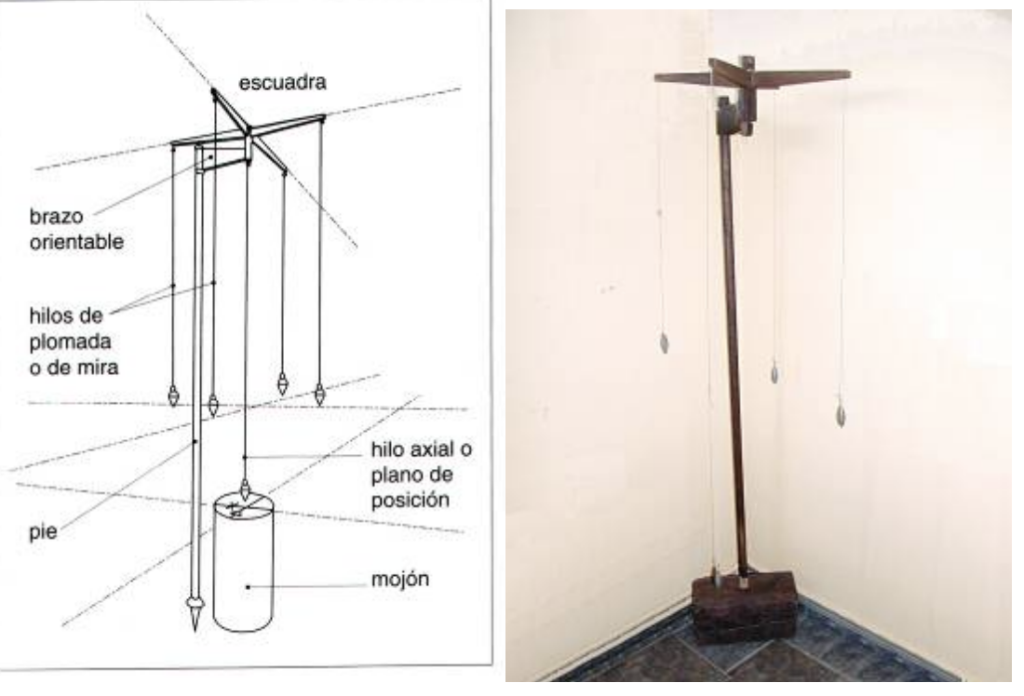
Figure 11: Diagram and photo of a Groma (Moreno, 2004)
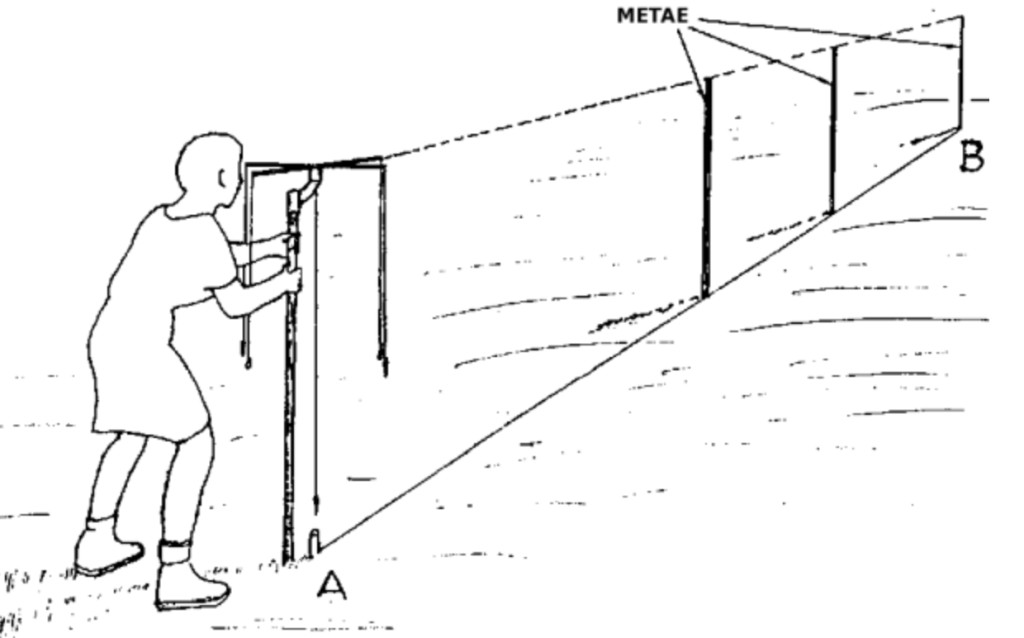
Figure 12: Groma in use (Boccaleri, 1999)
The groma was used to make sure that the arcade structure was being built in a straight line. A surveyor would set up the groma along the line that the arcade was supposed to follow and then look down the line. Stakes or metae would be set up along the line of sight of the groma to form the line that the arcade was supposed to follow. Using the groma was critical because if the arcade was not a straight line, the placement of the stone bricks would collapse the arcade due to lateral thrust (Arevalo, 2022).
Water Distribution
Finally, after the water reached its final destination in Rome, it then had to go through the next phase: water distribution. The water distribution system was highly complex because water was being used for a variety of uses. The diagram in figure 13 below gives a visualization of what the system looked liked.
How did it work in Rome?
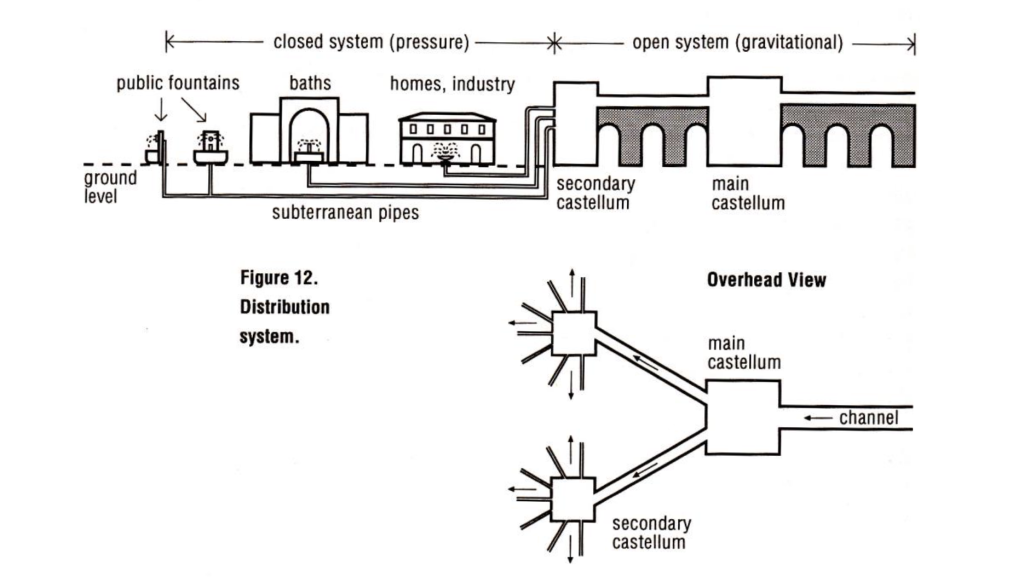
Figure 13: Roman water Distribution system example (Aicher, 1995)
As shown in the diagram above, the Romans’ water distribution system was extremely complex because it had to divert water to several different purposes. The first place that water went through after reaching Rome were the castellums.
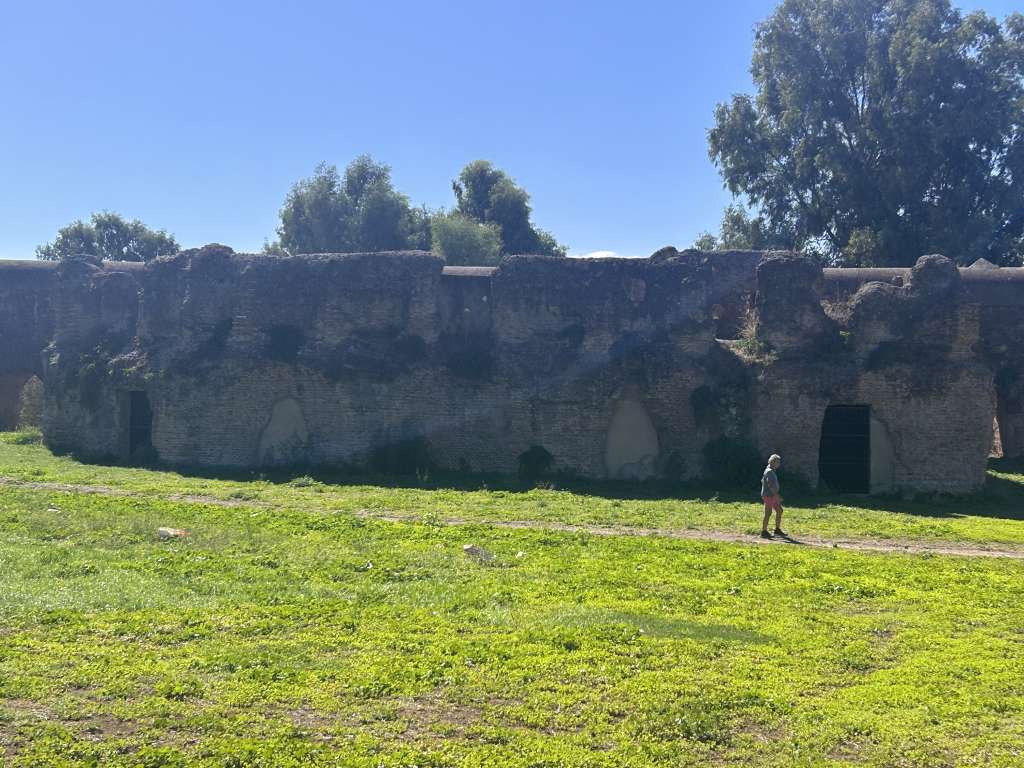
Figure 14: Ruins of Castellum in Parco degli Aquedotti, photo taken by the author
Castellums were giant tanks where water was filtered and stored before being transported into the city. Within the castellum the speed of the current would be sufficiently retarded for the impurities in suspension to settle to the bottom, making the water cleaner and suitable for various uses for Romans (Murray). After water was collected in the castellums, it was then carried out through lead or tile pipes. To ensure the flow of water throughout the city, the castellums were placed at higher elevations, which allowed the filtered water to more efficiently reach its desired destinations. The lead pipes were connected to the castellum by a tap called a calix, which helped ensure that certain areas had just the right amount of water that they needed (Dembsky, 2009).
The water distribution system was so complex that Vitruvius wrote in great detail on how the hierarchy of water should work in Rome. He described how when water reaches the castellum, it should be connected to different systems of pipes. Each system supplied a different area; one system would be used for public pools and water fountains, one for baths, and there would be other systems for private homes. This ensured that there would never be a shortage of “public water for private citizens will not be inclined to divert public supplies if they have their own supply from the same source” (Vitruvius). Examples of what the water distribution network supplied are shown in figures 15-17 below.
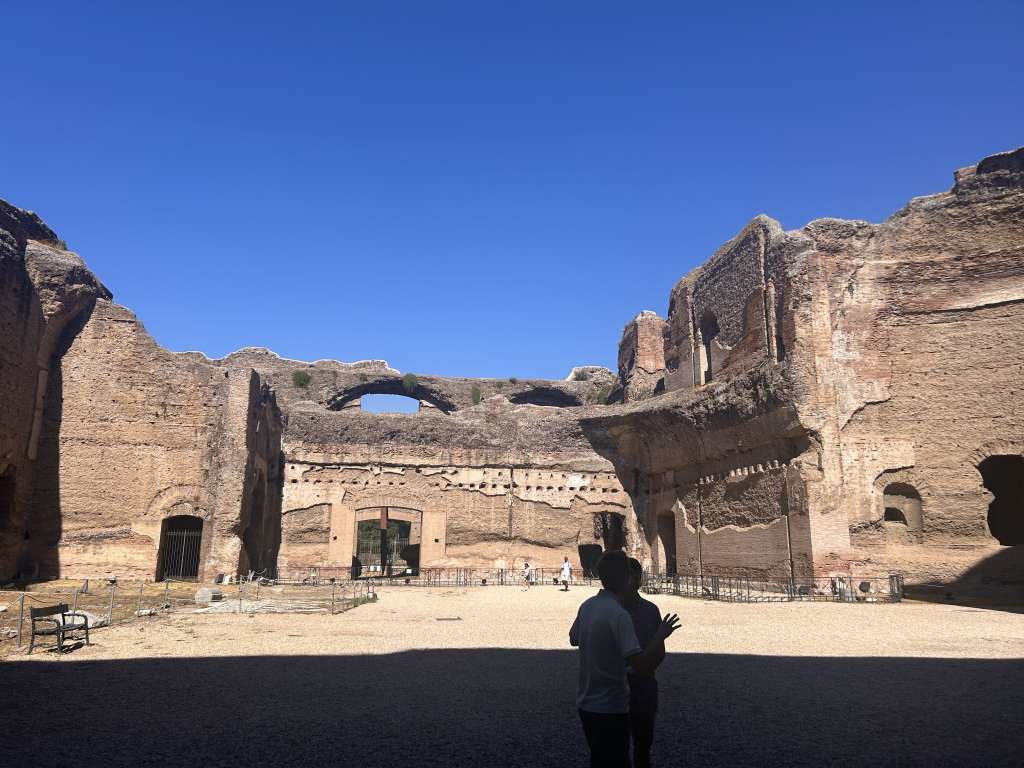
Figure 15: Baths of Caracalla, a public gym and bathhouse for the Roman public supplied by Aqua Antoniniana, photo taken by author.
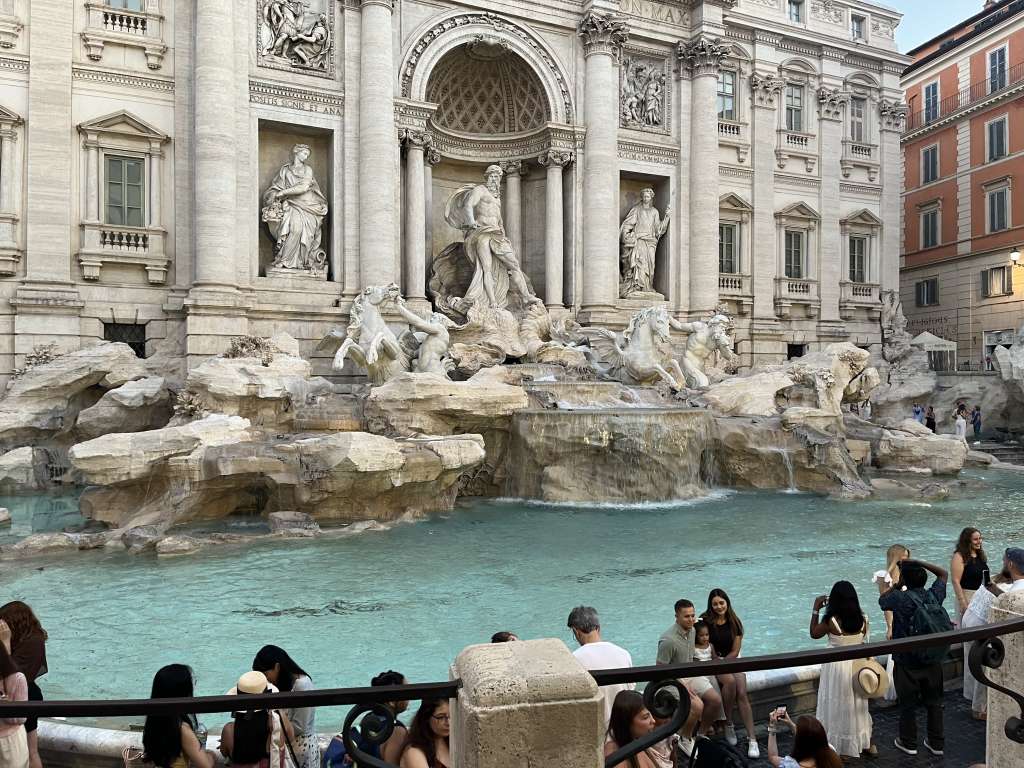
Figure 16: Trevi Fountain, a terminus of the Aqua Virgo, photo taken by author.
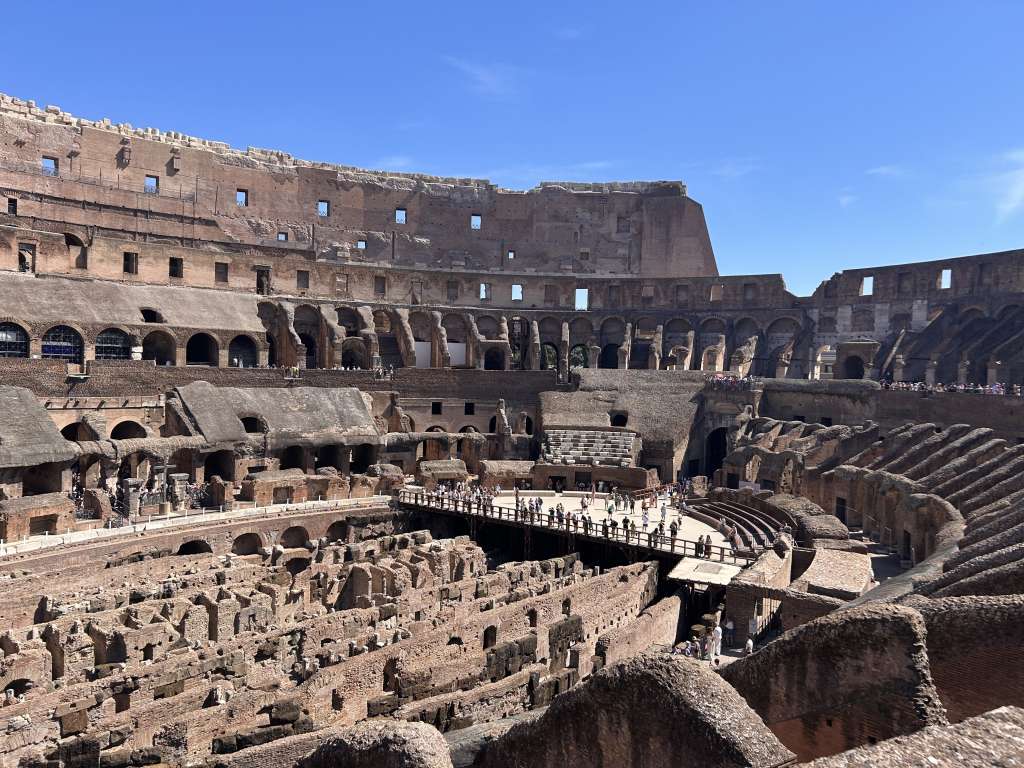
Figure 17: The Colluseum, when it first opened it was used for mock naval battles before it turned into a gladiatorial pit, photo taken by author.
In Roman civilization, according to Dembsky, the philosophy of water favoured public good over private gain. This is evidenced by the arrangement of pipes. The pipe systems that supplied public water fountains were lower than the ones that supported baths and private homes. If there were drops in water levels, the lower pipes would still receive a full supply, while the upper pipes would receive noticeably less water (Dembsky, 2009). From what both Dembsky and Vitruvius describe, Rome’s complex system helped manage its water, and make sure that private homes weren’t stealing from public sources. This allowed the Roman public to have consistent access to water for drinking or bathing and prevented the wealthy from taking more than they should which would ultimately cause civil unrest and possibly deaths.
Impact on the Modern World
The success of Rome was in large part due to the Roman aqueducts and the water distribution system. They supplied public baths, drinking fountains and even factories with water, which allowed their people to flourish. Today, roughly 2000 years later, I can clearly see how much this has impacted modern day Rome.
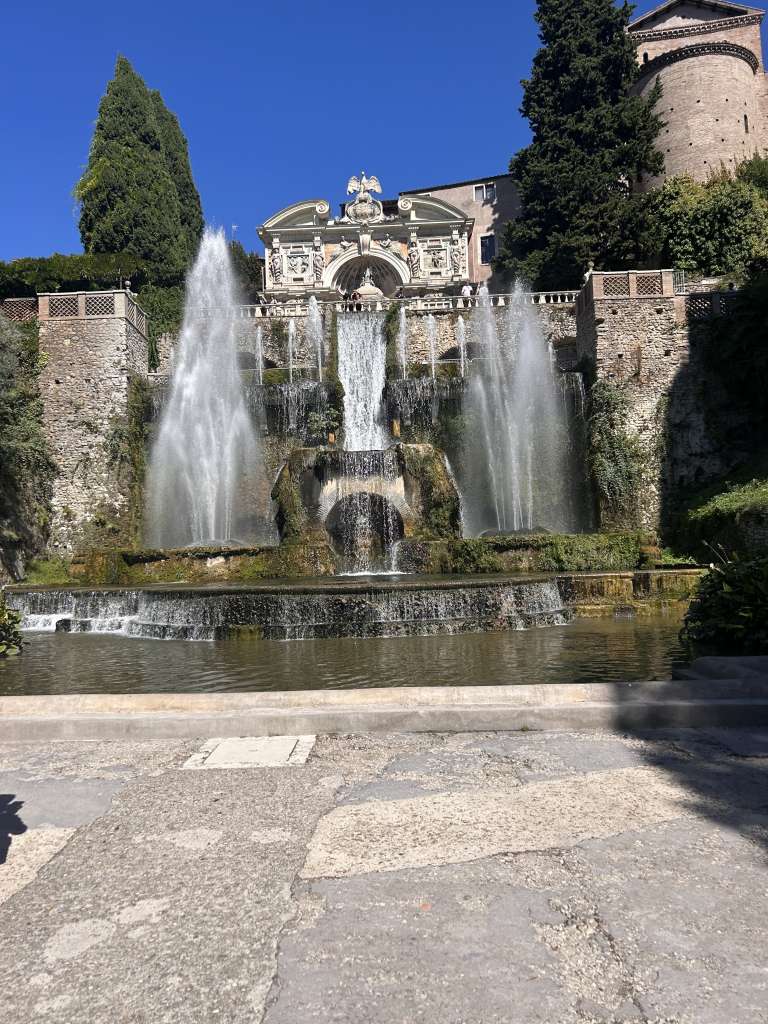
Figure 18: Fountain of Neptune in Villa d’Este, a fountain built in the. that continues the Romans fountain tradition, photo taken by author.
The Romans helped create the blueprints for modern plumbing and infrastructure through its gravity fed systems, castellums and separation of water sources for different uses. These methods of water distribution are the reason many subsequent civilizations and cities thrive and rarely experience water shortages. Romans also helped pave the way for modern civil engineering. Their creation of hydraulic concrete and calixes to control water usage inspired today’s water structures and utility consumption systems.
There are many examples and inspirations of ancient Rome’s impact in the modern world. In modern day Rome one invention, while completely separate from ancient Rome, continues the ancient Roman technique of bringing fresh cleaning water to the public, the Nasoni.
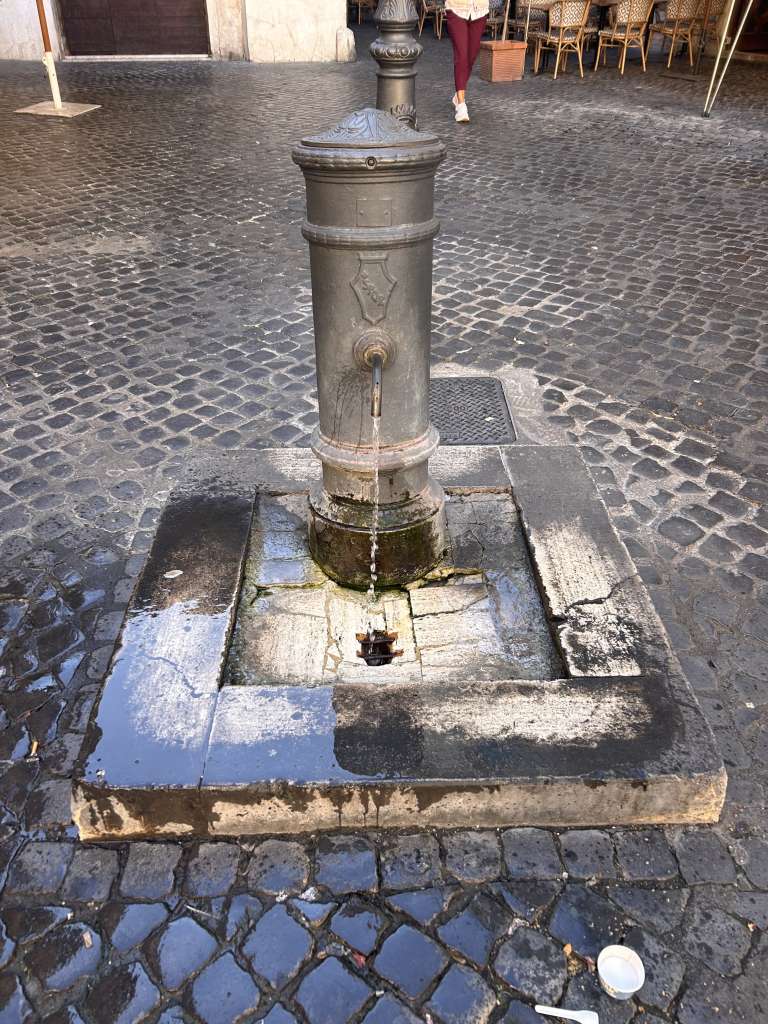
Figure 16: Photograph of Nasoni by the author, taken near Campo de’ Fiori
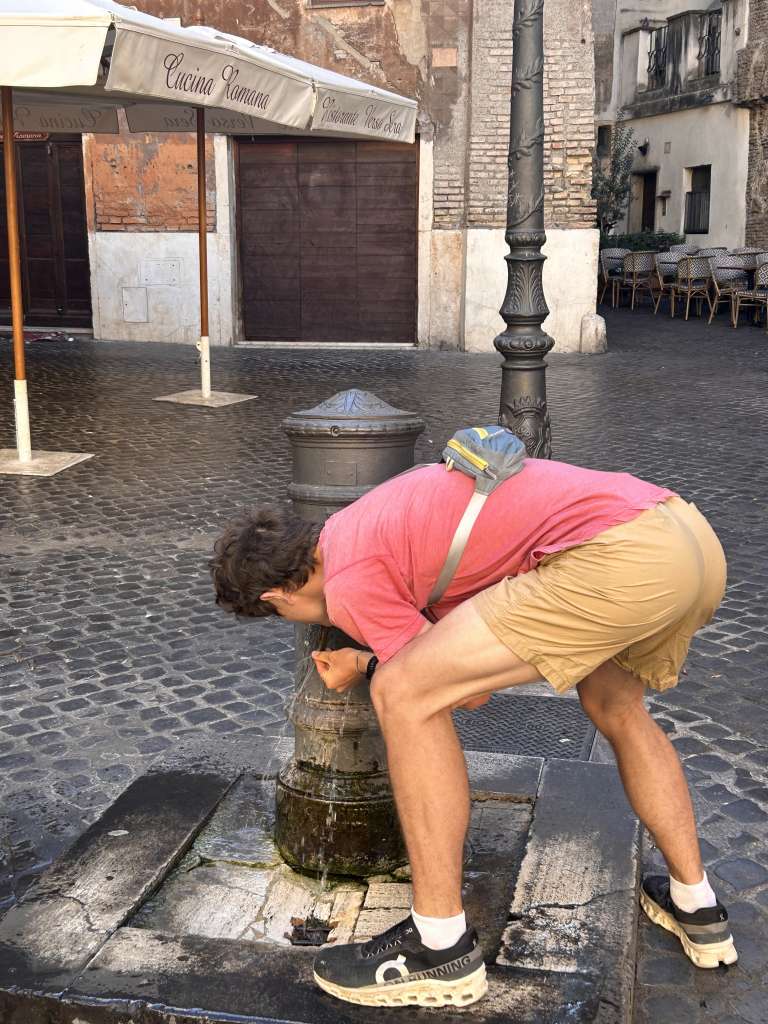
Figure 17: Author using the same nasoni pictured in Figure 16
The nasonis are public drinking fountains that are all over cities in Italy, including Rome. They allow citizens and tourists to enjoy clean, cold drinking water as they travel through the cities. While they are a separate invention, the nasonis continue the ancient Roman tradition of providing free, continuous public drinking water.
There were even aqueducts that were made long after the Roman empire ended. During the age of Pope Sixtus V, he ordered the construction of an aqueduct to supply his villa, Aqua Felice, shown below in Figure 18. While it did not supply public water, it is one of several examples on how the aqueducts impacted Rome, even long after they were put out of use.
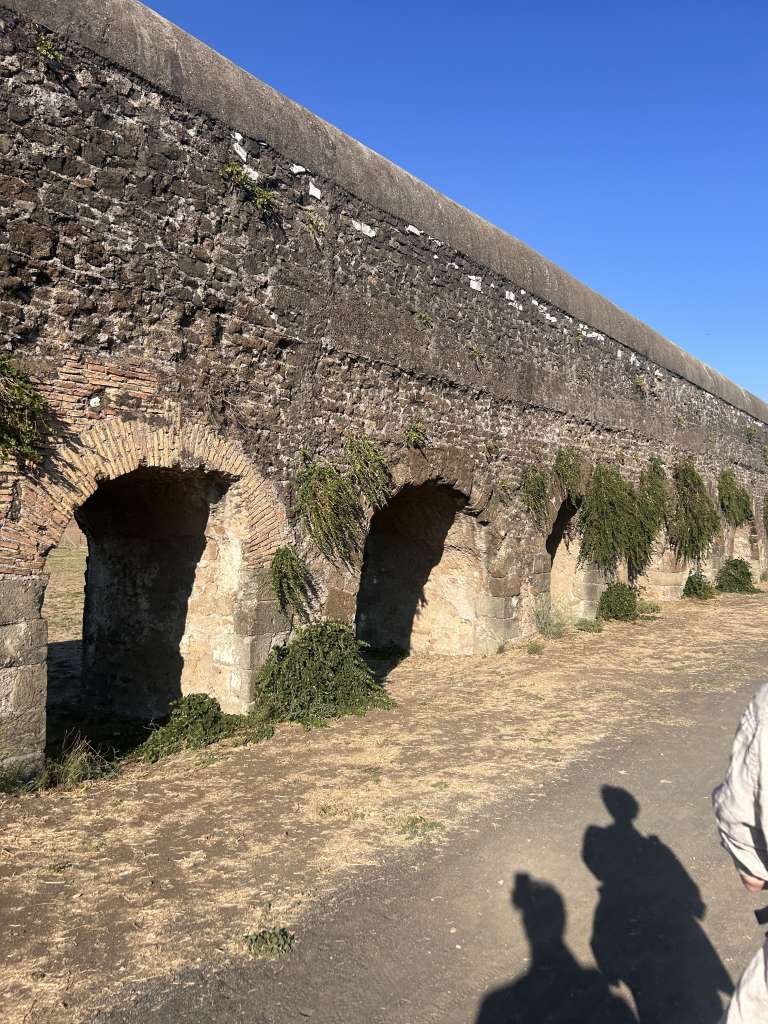
Figure 18: Aqua Felice Parco degli Aquedotti, photo taken by author
Rome has also kept its traditions of supplying decorative fountains along with drinking water, just as the ancient Romans did several millennia ago.
After studying and seeing these structures up close in Rome, it has definitely changed my understanding of them. As stated earlier, the main reason I chose this topic was because I thought Roman water was dirty and only the elite had access to clean drinking water. However, after researching the topic, I realized how sophisticated Roman hydrological engineering was and how it was integral in their success as a civilization. The Romans managed to build a highly complex water system that used gravity almost entirely, instead of pumps or mechanical wheels, and were able to distribute water evenly throughout cities. These engineering developments and egalitarian approach prevented certain areas from getting more water than they should have, which is very rare in ancient civilizations. In Rome, people of all social classes had access to clean drinking water, leading to the general public being satisfied and strengthening the power of Rome. They also used complex tools and methods to help them design hydraulic gradients, pathways and structures when designing the aqueducts. Personally, I was astonished to learn these features and methods behind the aqueducts and seeing these structures up close really allowed me to visualize the engineering that had to be utilized, without modern technology, to make the aqueducts and water system work on this grand scale.
While other civilizations had accomplished the use of aqueducts and a water distribution system first, Rome was the civilization that perfected it and helped accelerate human advancements in civil engineering and underwater structures. Even in my hometown of Seattle, there are subtle inspirations from Rome’s aqueducts and water distribution system.
References
Aicher, P. J. (1995). Guide to the aqueducts of Ancient Rome. Bolchazy-Carducci Publishers.
Alimonti, C., Baiocchi, V., Bonanotte, G., & Molnár, G. (2021). Roman aqueduct flow estimation using geomatic measurement. ISPRS International Journal of Geo-Information, 10(6), 360. https://doi.org/10.3390/ijgi10060360
Arevalo, A. (2022, November 1). From mountain to fountain: Rome’s aqueducts. Engineering Rome. https://engineeringrome.org/from-mountain-to-fountain-romes-aqueducts/
Baiocchi, V., Alimonti, C., Bonanotte, G., & Molnar, G. (2020). Geomatic measurement of “new aniene” and “Claudia” roman aqueducts for flows estimation. IOP Conference Series: Materials Science and Engineering, 949(1), 012078. https://doi.org/10.1088/1757-899x/949/1/012078
Boccaleri, E. (1999). L’uso della Groma in età romana. Esperienze e Progetti, 26(1), 26–29. https://www.baden-powell.it/ep/125/Groma.pdf
Cartwright, M., & Mark Cartwright, Mark is WHE’s Publishing Director and has an MA in Political Philosophy (University of York). He is a full-time researcher. (2018, March 14). Roman architecture. World History Encyclopedia. https://www.worldhistory.org/Roman_Architecture/
Coppola, M., & Menegatti, I. (2025). Beyond Opus Quadratum. Mélanges de l’École Française de Rome. Antiquité, 137–2, 493–509. https://doi.org/10.4000/168mu
Dembskey, E.J. (2009). The Aqueducts of Ancient Rome. Masters’ thesis in Ancient History. University of South Africa. http://www.romanaqueducts.info/aquapub/dembskey2009Rometxt1.pdf
Deming, D. (2019). The aqueducts and water supply of Ancient Rome. Groundwater, 58(1), 152–161. https://doi.org/10.1111/gwat.12958
Dragoni, W., & Cambi, C. (2015). Hydraulic structures in ancient Rome. Mid-week technical field trips, MT1 field guide, Wednesday September 16th. ResearchGate. https://www.researchgate.net/publication/320044489 [1]
Hadzsits, G. D., & Robinson, D. M. (1963). Our debt to Greece and Rome. Cooper Square Publishers.
The claudio aqueduct. Romatrestrutture. (n.d.). https://www.romatrestrutture.eu/ricerche/the-claudio-aqueduct/
Johannes Gutenberg University Mainz. (2023, August 4). The art of roman aqueduct maintenance: Regular cleaning was needed to sustain the water supply provided by the Roman aqueduct of Divona. https://press.uni-mainz.de/the-art-of-roman-aqueduct-maintenance-regular-cleaning-was-needed-to-sustain-the-water-supply-provided-by-the-roman-aqueduct-of-divona/
Kessener, P. M. (2021). Roman water transport: Pressure Lines. Water, 14(1), 28. https://doi.org/10.3390/w14010028
Malinowski, R. (1979, January). Concrete and Mortars in Ancient Aqueducts. Concrete International, 1(1), 66-76. https://doi.org/https://case.edu/lifelonglearning/sites/default/files/2020-02/Malinowsky-AncientConcreteAqueducts.pdf
Meunch, S., & Murray, A. (n.d.). Water. file:///Users/larseide04/Downloads/RomanWaterSupply_ER2026%20(1).pdf
Motta, D., Keenan‐Jones, D., Garcia, M. H., & Fouke, B. W. (2017). Hydraulic evaluation of the design and operation of Ancient Rome’s Anio Novus Aqueduct. Archaeometry, 59(6), 1150–1174. https://doi.org/10.1111/arcm.12303
Moyano Fernandez, P. (2024). Opus versatilium: A meta-vernacular approach for contemporary load-bearing walls. The Plan Journal, 9(1). https://doi.org/10.15274/tpj.2024.09.01.12
Reimler, O. (n.d.). Drinking water sanitation and regulation in Rome. Engineering Rome. https://engineeringrome.org/drinking-water-sanitation-and-regulation-in-rome/
Roman aqueducts. EarthDate. (n.d.). https://www.earthdate.org/episodes/roman-aqueducts
Roman aqueducts. Expedition Magazine. (n.d.). https://www.penn.museum/sites/expedition/roman-aqueducts/
Temporelli, G., & De Novellis, F. (2010). Hydraulic Engineering of inverted siphons in Roman age: A review. Water Supply, 10(3), 445–452. https://doi.org/10.2166/ws.2010.110
Vitruvius. The Project Gutenberg eBook of Ten Books on Architecture, by Vitruvius. (n.d.). https://www.gutenberg.org/files/20239/20239-h/20239-h.htm
What did the Romans do for us? aqueducts and the art of Roman Water Management | Oxford University. (n.d.-b). https://www.ox.ac.uk/news/2023-08-04-what-did-romans-do-us-aqueducts-and-art-roman-water-management