
William Holtzclaw
Introduction & Historical Background
Centuries before Rome grew to dominate the Italian peninsula, the Mediterranean Sea, and exert its influence across three continents. The city had humble beginnings in the 7th century B.C. on the slopes of the Palatine Hill along the banks of the Tiber River. See Map 1: Ancient Rome City Map, the forum is highlighted in yellow and “VIII-Forum Romanum” (Roma, 2020) and is east of the Tiber by several hundred meters and is nestled between the Palatine and Capitoline hills.
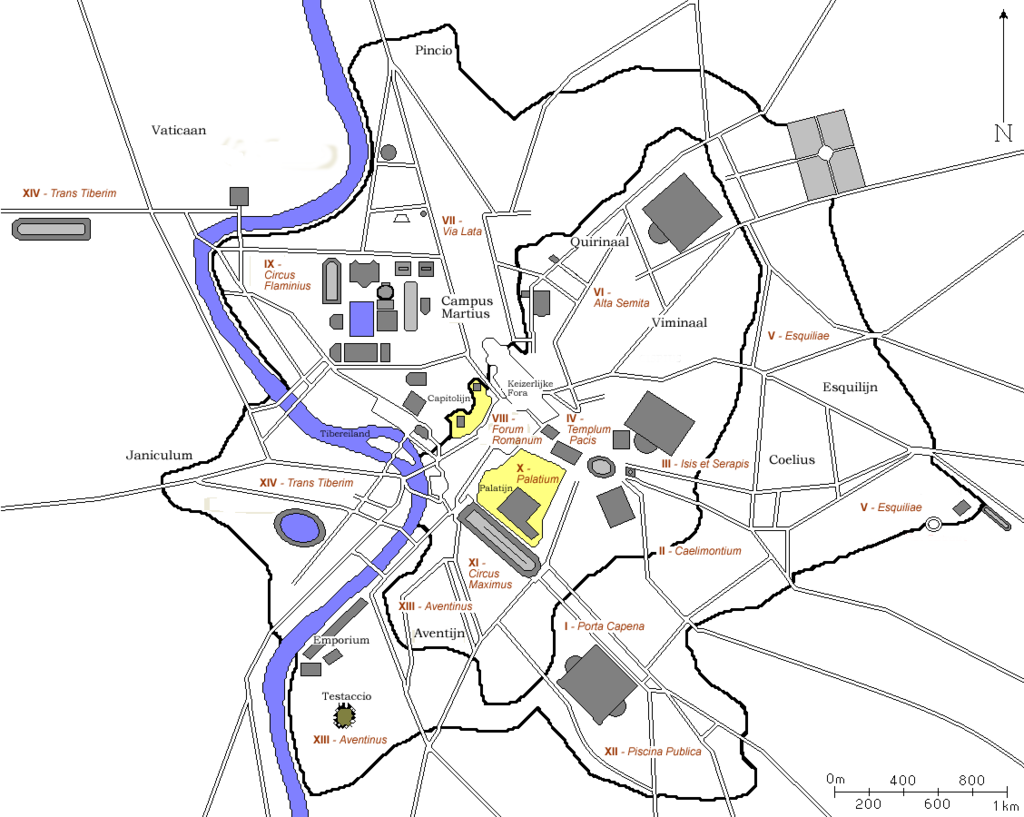
Map 1: Ancient Rome City Map (Roma, 2020)
The city was founded and constructed on the Palatine, slowly expanding out into the area around the hill. However, much of Rome’s geography proved large scale expansion and building and difficult undertaking. While the Palatine provided a strategic defensive position due to its elevation and proximity to the Tiber River (Wikipedia, Rome, n.d.) the area around it was composed largely of marsh land and flood plains of the Tiber (Ammerman, 1990). If the fledgling city wished to expand its developable, urban land let alone become a continent spanning empire, the first of many civil engineering projects would have to take place. What the new city needed was a seat of power and economics, one central point to gather and where it would expand out from. See below Image 1 and 2, both of which are artists’ interpretations of what the Roman Forum would have looked like soon after its construction in the 6th century B.C.. Smaller and less grand buildings, different materials used, and over all not the forum of an expansive empire. Image 2 however shows the vibrant color, gleaming marble and grand structures expected from Rome at its peak. The contrast between the images demonstrates how Rome grew in power, influence, and reach over the centuries.
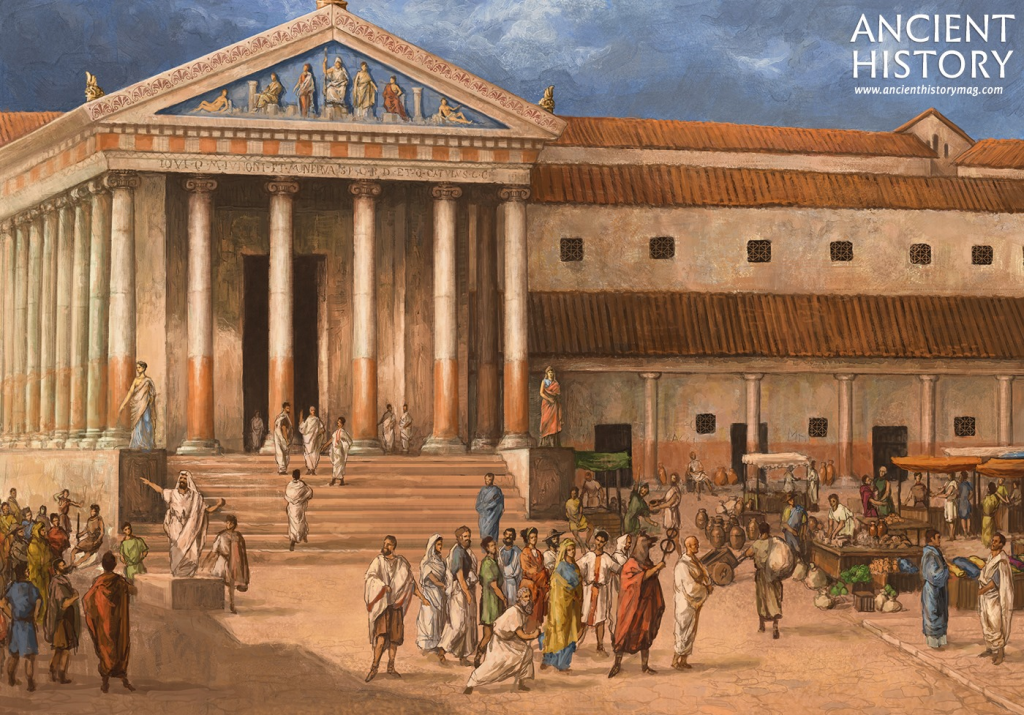
Image 1: 6th Century B.C. Roman Forum (Cartwright, 2018)
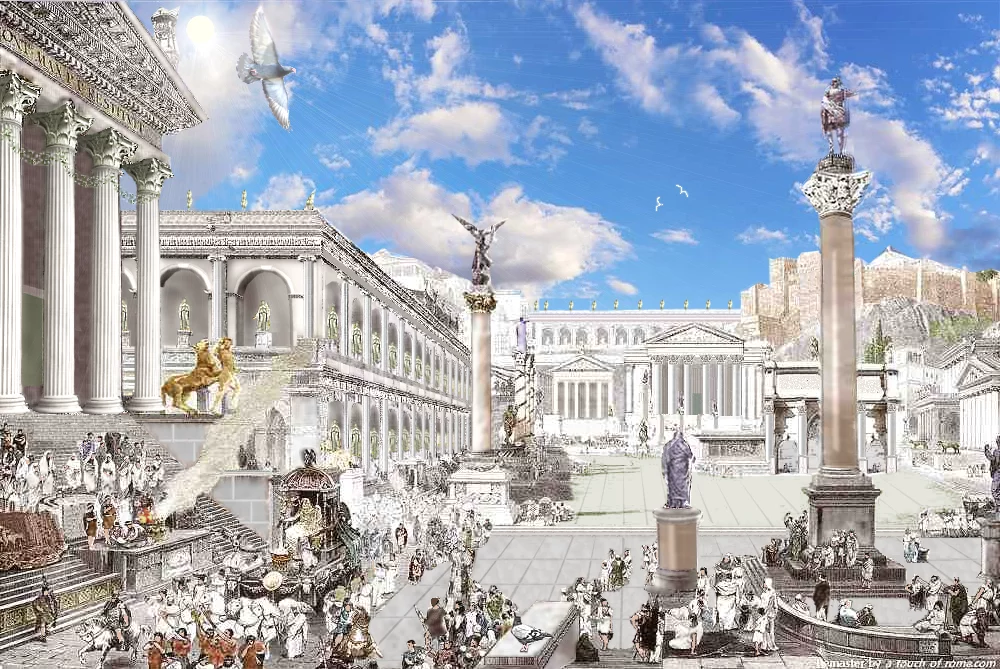
Image 2: 2nd Century A.D. Roman Forum (Roma, 2020)
This need would eventually lead to the creation of the Roman Forum. The Forum was to be a large rectangular plaza, roughly 5 acres (Wikipedia, Rome, n.d.), that would serve as the political, financial, commercial, and religious center of the city of Rome and later its provinces in the Republican and Imperial eras. The plan of the forum shown below demonstrates just how the Romans would expand and make use of their space over the centuries with all of the listed above structures being seen in one form or another.
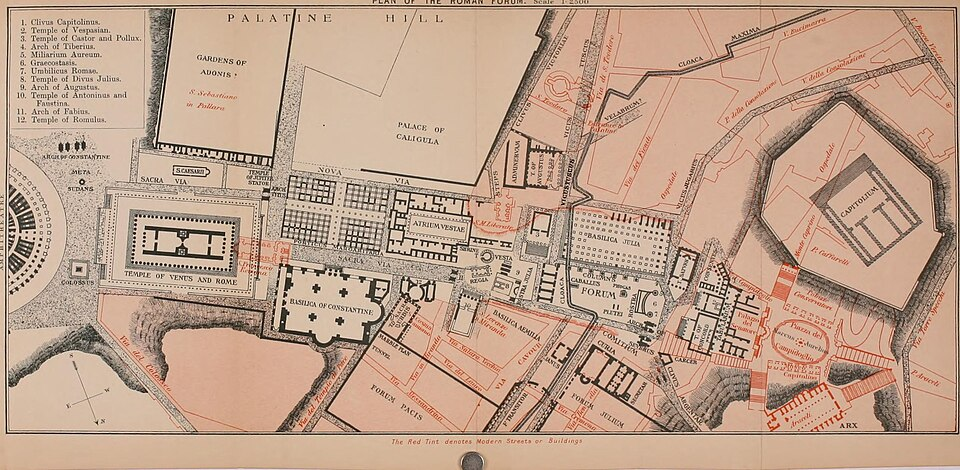
Map 2: Plan of the Forum (Wikipedia, n.d.)
Hosting the Roman Senate, financial district, treasury, governmental institutions, temples, and altars to Roman gods, amongst other structures over the coming centuries. See below Images 3, 4, and 5 which show the remains of several temples, different pieces of the Forum, Senate house, and basilicas that served various purposes to the Republican and Imperial Roman governments, many of which were discussed above.
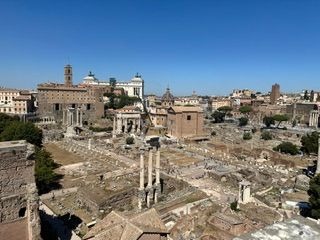
Image 3: East Forum from Palatine Hill (Holtzclaw, 2026)
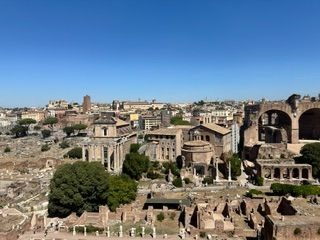
Image 4: North Forum from Palatine Hill (Holtzclaw, 2026)
Image 5: West Forum from Palatine Hill (Holtzclaw, 2026)
However, the Romans lacked a place to build this sprawling complex. As previously stated Rome’s geography was not conducive to large scale building projects such as this due to the marshy land that was prone to flooding from the Tiber River; But the Romans, if anything were ingenious and most of all determined. Traits displayed by the people of Rome from every era commercially, politically, militarily, and scientifically.
Before any kind of actual construction of the Forum could commence and really before even an idea of what it would become could be conceived a spot had to be chosen. The valley between the Palatine and Capitoline Hills was chosen as the site. This low lying wetland between the two hills would be a central location for the growing city but would require significant work to prepare the site for the large-scale construction that it would see in the following centuries. The preparation of the land would be a decades long undertaking starting sometime around 600 B.C. (late 7th century BC to 6th century BC) and the site would not become what we commonly associate with the Roman Forum until the founding of the Roman Republic in 509 B.C. (Wikipedia, Rome, n.d.).
Engineering Concepts
In order to prepare the site of the Forum two civil engineering projects would have to be undertaken. The first being that the marsh land between the Palatine and Capitoline would need to be drained, requiring the construction of water and drainage systems which would go on to serve a later purpose of allowing for drainage of the area from stormwater once it was constructed. The second project which could only be started upon the completion of the water and drainage systems would be to perform an earthwork fill operation in the valley, raising the site out of flood danger by increasing its elevation about the flood plain.
Engineering Ethos
The construction of the city of Rome helps to answer how humans make their geography and environment work for them in their engineering undertakings? The building of the Forum exemplifies this question and helps to provide answers to it. This idea remains one of the core principles of the civil engineering ethos and in Rome the shift in philosophy is clear. Rather than conforming to the land or building where there are no obstacles, it was made to work for the Romans. Leading to the question, how do humans manipulate the environment and what is it tied to? Prestige, power projection, mastery of the world around them, or a combination of these?
Hydraulic Engineering and Water Systems of the Forum
Before any earthwork could be done on the marshy valley to raise the land out of the flood plain, the first problem that would need to be solved would be the “wet conditions” (Ammerman, 1990). A system would have to be developed to drain the marshland before other steps could be taken. The drainage system that would be created would later grow into another one of Rome’s great achievements but it is not the focus. To drain the marsh the Romans started work on the “Cloaca Maxima” or when translated the “Greatest Sewer / Drain” (Gowers, 1995). See below Image 6: Historical Cloaca Maxima Outlet (Holtzclaw, 2026) which shows where the Cloaca Maxima used to drain into the Tiber.
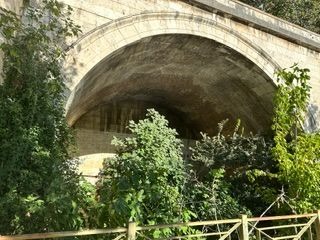
Image 6: Historical Cloaca Maxima Outlet (Holtzclaw, 2026)
Origins of the Cloaca Maxima
This proto version of the Cloaca Maxima was an expansion of already existing streams that ran through the valley marsh between the Palatine and Capitoline Hills (Gowers, 1995). One of the first examples of how the Romans sought to manipulate and make the geography of their environment work for them, rather than against them. The main channel of the drainage system started at the northeastern edge of what would become the forum, by Basilica Emilia (Gowers, 1995). At the time (~6th century B.C.), the channel was open air but has since been covered and was reworked several times as the sewer system was improved. See Image 7: Forum View Southwest (Holtzclaw, 2026) which shows some of the remains of Basilica Emilia, where the Cloaca Maxima would have originally been created to drain the marsh.
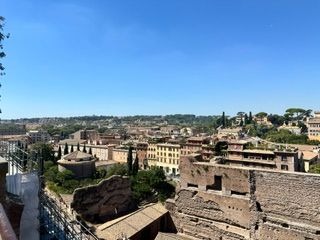
Image 7: Forum View (Holtzclaw, 2026)
This open air channel ran through the valley between the hills to the southeast of the Forum where it would then flow out into the Tiber River at a location called Ponte Rotto, which is the eastern bank of the Tiber, near the Tiber Island, or Isola Tiberina (Gowers, 1995). Additionally, this outlet would be the original outlet of the Cloaca Maxima and would continue to be the primary outlet of the drainage system for as long as it was in operation which carries into the modern day. See Map 1 above and look at the small landmass in the Tiber to the east of the yellow highlighted Forum, this was the location of the outlet of the Cloaca Maxima. Furthermore, if the reader directs their attention to Image 8: Cloaca Maxima from Tiber Island (Holtzclaw, 2026), you will see the Cloca Maxima exit as the large indentation on the wall under the bridge.
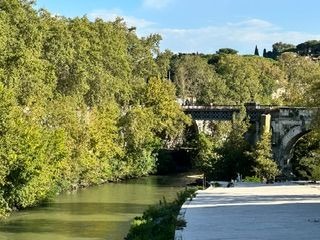
Image 8: Cloaca Maxima from Tiber Island (Holtzclaw, 2026)
Stormwater Management
Once the valley had been drained allowing for earthwork to take place, the problem arose about what to do with the stormwater and land on and around the forum. Especially as rainwater would flow down the hills surrounding the Forum (Ammerman, 1990). Having already developed their main drainage and sewer system, the Cloaca Maxima. The Romans created smaller drain paths underground as the Forum was being built to allow for the safe runoff of stormwater without flooding the Forum every time there was a heavy rainfall. Also keep in mind that by this point, decades had passed since the initial draining of the Forum, as stated prior much of what is conceded the Roman Forum was not built until the start of the Republic (509 B.C.). See Image 9: Forum Storm Drain (Holtzclaw, 2026) below which shows an in use replica of what a storm drain in the Forum would have looked like when it was in use by Republican or Imperial Rome.
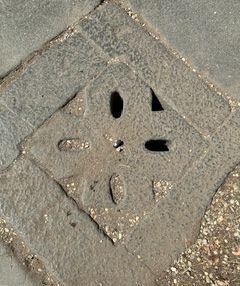
Image 9: Forum Storm Drain (Holtzclaw, 2026)
The Roman Forum’s Earthwork
Once the draining of the marsh between the Palatine and Capitoline was completed the next phase of land preparation could commence: earthwork. While removing the water and providing means for further water to be drained solved the initial problem of the wet land another remained, that being how the Tiber was prone to flooding (Ammerman, 1990). The flooding of the Tiber is an issue that has plagued Rome for not just decades or centuries but Millenia. With massive embankment walls being worked on up until the turn of the 20th century. Image 10: Tiber Flood Walls (Holtzclaw, 2026) shows the work on the flood prevention walls undertaken in the early 20th century to help contain the flooding Tiber.
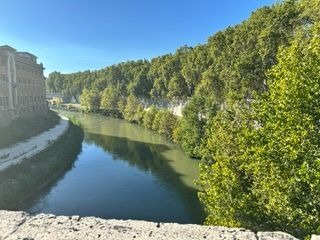
Image 10: Tiber Flood Walls (Holtzclaw, 2026)
Therefore, in order to allow for structures to be built on the land it would have to be raised out of the flood plain of the River Tiber meaning that the Romans would have to perform an earthwork fill operation that would effectively fill most of the drained valley between the Palatine and Capitoline Hills. This however was not always the idea, up until the mid to late 20th century it was thought that the valley the Forum sat upon was always just a flat depression rather than a filled valley (Ammerman, 1990). However, borehole samples taken and analyzed in the last several decades revealed another theory that the valley was filled which prevails and it is widely accepted as true in the modern day. Direct your attention to Chart 1: Forum Borehole Sediment Layers seen below which demonstrates a quick buildup of different sediment layers which is seen constantly underneath the forum. Further analysis of these sediment layers indicate that they were not naturally built up due to compaction and comparison with the sediment layers of the neighboring hills at the same elevation (Ammerman, 1990) which leads to the idea that these layers were added by humans.
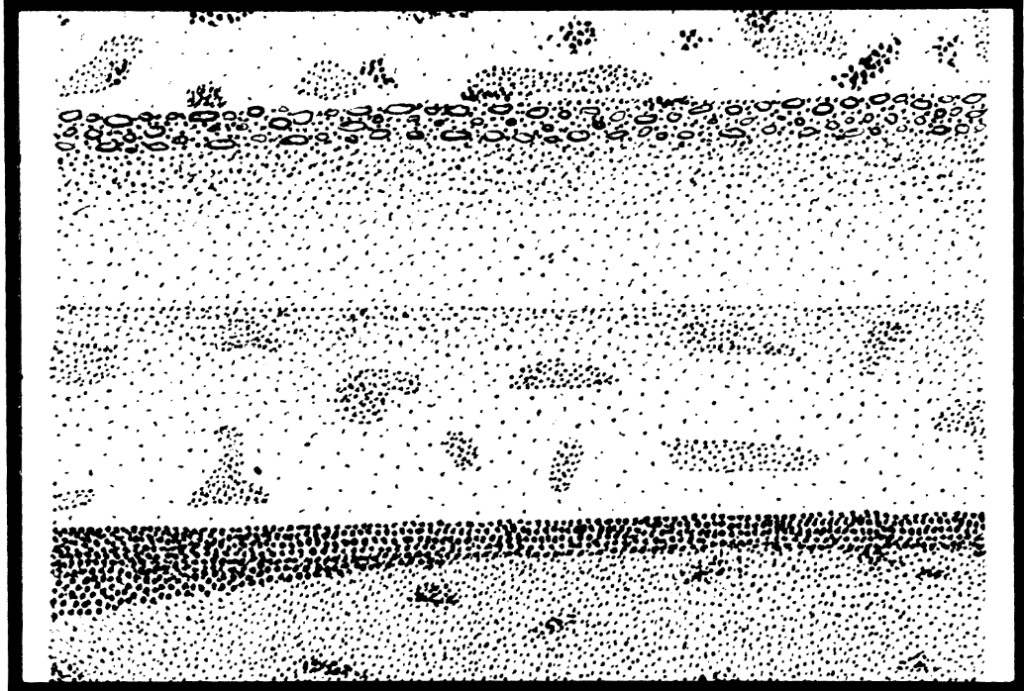
Chart 1: Forum Borehole Sediment Layers (Ammerman, 1990)
Hill Relief
Another piece of evidence that can also be found in On the Origins of the Forum Romanum by Ammerman (1990) has to do with the natural relief of the Palatine and Capitoline Hills. Typically natural land formations such as hills and have a valley between them have a consistent natural relief, that being how the elevation changes over distance and if they do not then there is some sort of geological evidence as to why such a topographical anomaly would occur. However, when the natural relief of the valley was examined in the 1980s, it was found that there was a “…rapid decrease in elevation down the Capitoline slope…”, before the relief began to sharply “…more or less maintain the same height” (Ammerman, 1990). Without the presence of any evidence to indicate that the abnormal relief of the Capitoline Hill slope into the valley was natural and the combination of the core samples from the valley. It is reasonable to draw the conclusion that the valley between the whereupon the Roman Forum sits was a manmade construct. But how much work actually went into creating this flat, raised, and buildable space?
It is an established fact that it took roughly 10,000 cubic meters of soil to fill the area in the valley (Ammerman, 1990) and (SocAntiquaries, 2024). The interesting thing is that it is not quite known how this was achieved as moving this much soil in this era would have been a massive undertaking so some theorize that the Romans waited for a large sediment rich flood to take place and deposit many alluvial soils in the valley, filling in some of the lower portion of the valley (SocAntiquaries, 2024) and therefore cutting down on the amount of work done by them. This theory is not quite proven but also there is not any evidence that directly contradicts it so if proven true then it would be another example of how the Romans used their environment to their own benefit rather than performing unnecessary work and thereby cutting down on cost and labor. Important ideas to keep in mind on any construction project.
Impact and Ethos
Technology and practices greatly developed since the time when the Romans were constructing the Forum but the philosophy that that held for the Forum design and the design of much of Rome is lasting. It was in Rome that I believe there was a shift in civil engineering design philosophy, one that became a core part of the civil engineering ethos that has endured to this day and is represented in much of modern design. That philosophy came from a question: “how do we use the environment to our needs?”. Earlier cities such as Athens conformed to the environment around them while others such as Cairo or Baghbad were built in areas highly conducive to city building, that being large flat planes. Rome was different, a city that was composed of much lowlying marshland, hills, and a river that regularly flooded was not an area conducive to city construction or naturally capable of sustaining large structures. Instead the Romans manipulated and engineered their environment to their needs. Undertaking large projects to ensure drainage and to mitigate flooding in the city. Large earthwork projects to increase the amount of buildable land while raising parts of the city out of flood zones. The Romans took an environment that ordinarily could not play host to a city and reengineered it to their needs.
This shift was seen in Rome but if you know what to look for is seen in many cities that would follow such as London, Paris, and Washington D.C.. Cities that were built around marshland or flooding rivers but similarly to Rome underwent massive development to make the environment work for the builders rather than against them. Look no further than Seattle for this as well. A city built on forested hills carved by glaciers but to create a large city the tops of hills were carved off and used as fill for other areas. Whereas canals were created to connect Lake Washington to Union Bay giving access to larger ships. Furthermore, it is not just cities that demonstrate this ethos. The creation of hydroelectric dams to use naturally flowing rivers to generate power or wind farms in areas of natural high, persistent wind exposure to do the same. Humans are ingenious and using our natural world rather has allowed us to create marvels. Rome demonstrated these ideals and the Forum, the seat of Republican and Imperial Roman power encapsulates them. It shows how a marshy river valley would become the center of an empire through clever engineering and environmental use.
Power and Presentation
The Roman Forum acted as not just the seat of power in Rome but also as a symbol of it. The Romans wanted their citizens, those they conquered, and their enemies to see exactly what they were capable of, so the Romans put a lot of effort into appearances. Such as their use of grand parades called “triumphs” which were held upon military victories. Furthermore, look no further than all of the Roman structures covered in a facade of travertine or marble. I think that the Romans used the beauty and appearance of their structures as just one way to demonstrate their power and their wealth. Furthermore, the Romans were deliberate about it as well, not just the appearance but how and where their grandest structures were seen. The Forum and the surrounding structures are examples of the Romans using their structures as an expression of their power. Just before the Forum to the east the Colosseum, Image 11: Colosseum From Temple of Venus (Holtzclaw, 2026), can not be missed and as you advance towards the east (main) entrance of the Forum you see the Arch of Constantine, then the Arch of Titus both commemorating emperors and their accomplishments, See Image 12: Arch of Constantine (Holtzclaw, 2026) and Image 13: Arch of Titus (Holtzclaw, 2026). All while also passing temples dedicated to Roman gods and goddesses such as Venus, see Image 14: Remains of the Temple of Venus (Holtzclaw, 2026).
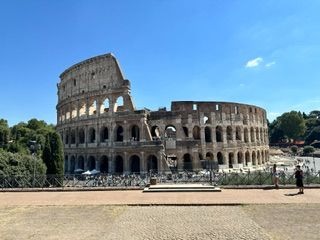
Image 11: Colosseum From Temple of Venus (Holtzclaw, 2026)
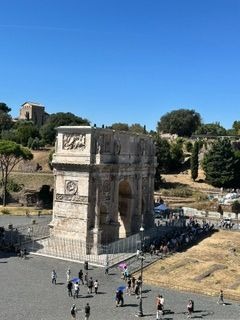
Image 12: Arch of Constantine (Holtzclaw, 2026)
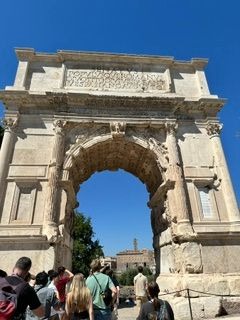
Image 13: Arch of Titus (Holtzclaw 2026)
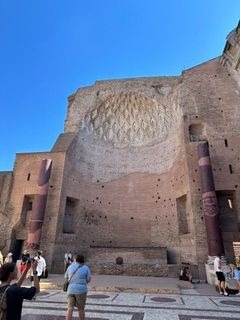
Image 14: Remains of the Temple of Venus (Holtzclaw, 2026)
This idea of projecting power through architecture is a core idea of the design philosophy of many Roman buildings, the buildings are designed to make you feel small and in awe. To wonder how on earth humans could have possibly created such things. The Romans used all of this to build themselves up, to demonstrate their power and to show how they commanded not just people but even the natural world around them, bending it to their will and creating grand structures from stone in places where they had no business standing. Romans were proficient in the art of propaganda, making themselves seem all powerful and undefeatable, that their will reigned over all others. They used their grandest structures to show that the legions were not the only way the Romans would project their power. No, they let all witnesses know they could command the water and earth too.
Final Thoughts
If Rome was one of the first cities to pioneer and embrace the style of civil engineering that involved environmental manipulation then the Forum was the first Roman structure to demonstrate it. Over 2,500 years the Romans utilized practices commonly seen in civil engineering from then until now. That being the use of sophisticated water systems to manage the stormwater accumulated on a developed area but used to also aid in the development of buildable areas through marsh draining. Furthermore, you would find it nearly impossible to come across a large scale civil engineering undertaking that did not use some sort of cut/fill earthwork, it is a cornerstone of how construction sites are prepared for their respective structures. But the Romans accomplished all of this over two and a half thousand years ago with primitive tools, being some of the first to develop this engineering ethos which created in my mind some of the grandest and most immaculate structures of the ancient world. Excellently showing off their power, accomplishments, and showing all just exactly what Rome was capable of.
Bibliography
Gowers, E. (1995). The Anatomy of Rome from Capitol to CloacaDownload The Anatomy of Rome from Capitol to Cloaca The Journal of Roman Studies., 85, pp. 23-32. Non-engineering aspects of the Cloaca Maxima.
Wikipedia Contributors. (2019, November 28). Roman Forum. Wikipedia; Wikimedia Foundation. https://en.wikipedia.org/wiki/Roman_Forum
Albert J. Ammerman, “On the Origins of the Forum Romanum,” American Journal of Archaeology 94, no. 4 (1990): 627–645.
SocAntiquaries. (2024). Urban borehole surveys and the origins of the Roman Forum by Prof Terrenato (with the Roman Society) [Video]. YouTube. https://www.youtube.com/watch?v=5hcNoqPEkeQ
Dishington, R. (2024). Historical Geographies of Engineering: Knowledges, Practices, Identities. Geography Compass, 18(11). https://doi.org/10.1111/gec3.70011
Watkin, D. (2011). The roman forum. Profile Books(GB).
Roma. (2020, April 10). Digital Maps of the Ancient World. https://digitalmapsoftheancientworld.com/digital-maps/roman-cities/roma/
Cartwright, M. (2018, October 11). Roman Forum. World History Encyclopedia. https://www.worldhistory.org/Roman_Forum/
The roman forum explained. (n.d.). Atouchofrome.Com. Retrieved September 15, 2026, from https://atouchofrome.com/roman-forum-explained.html