
Still standing 1900 years after its construction, the Pantheon contains the largest unreinforced concrete dome in the world (Masi et al., 2018). While many designate the Pantheon as an example of the “excellence” of Roman concrete (Mark and Hutchinson, 1986), its unique and heavily involved structural design in tandem with conservation efforts are contributors to its survival.
Background and Significance
Located in Rome’s historic center (see Figure 1), the rich Catholic, architectural, and artistic history of the site attracts millions of visitors a year. The Pantheon was originally constructed by Marcus Vipsanius Agrippa between 27 and 25 BC (Pallavicino, 2026). Many historians believe that it was a pagan temple with a simple gable roof (Britannica Editors, 2016). The word “Pantheon” is derived from the Greek words pan (all) and theos (gods) (Gods and Goddesses, 2021). Following damage due to fires in 80 and 110 AD, the Pantheon was rebuilt by Emperor Hadrian (Britannica Editors, 2016). In 609 AD, the structure was converted from a pagan temple into a Catholic Church. The structure served many purposes between the Middle Ages and present day, most notably presenting renowned artworks, housing tombs, and serving as a site of Catholic worship (Pallavicino, 2026). Due to its ties with the Catholic Church, great efforts have been put forth to preserve the Pantheon since its consecration (Solberg, 2013).
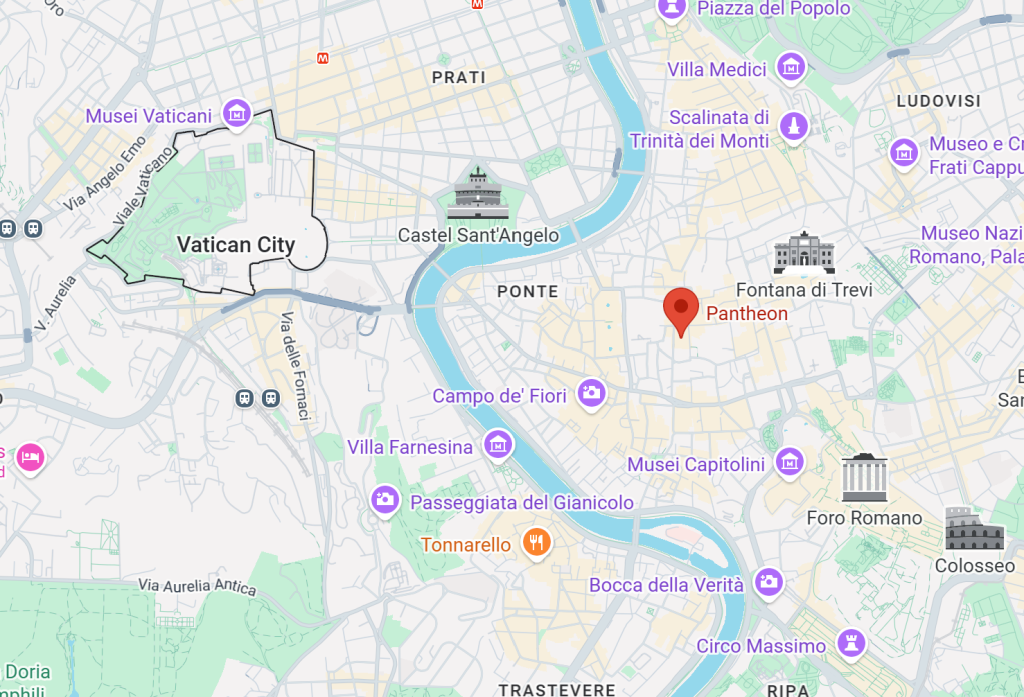
Figure 1: Location of the Pantheon
Note. From [Map of downtown Rome [Map]], by Google Maps, n.d., Retrieved September 17, 2026, from google.com/maps.
Design
The Pantheon’s design is intricate from both an engineering and architectural standpoint. The complex engineering has provided structural stability, while the intricate aesthetics draw in public interest, giving an incentive to preserve the site.
Geometry
The Pantheon, seen in Figures 2 and 3, consists of the rotunda composed of a drum and dome, a portico supported by 16 granite columns, and a transitional section between the rotunda and portico (Mark, 1987). The rotunda utilizes a hemispherical dome shape, with an internal diameter of 43.3 meters (approximately 142 feet), encased by a drum with a height two-thirds the diameter of the dome (approximately 95 feet) (Martines, 2015, p. 99). The height of the rotunda is precisely the diameter of the dome, featuring a completely open oculus at the apex, allowing the interior to be lit up entirely by natural light from above (Britannica Editors, 2026). The interior of the dome features 5 rings of coffers containing 28 each, totaling 140. The spherical geometry and layout of the coffering is often attributed to a feeling of harmony conveyed by the structure (Martines, 2015, p. 99).
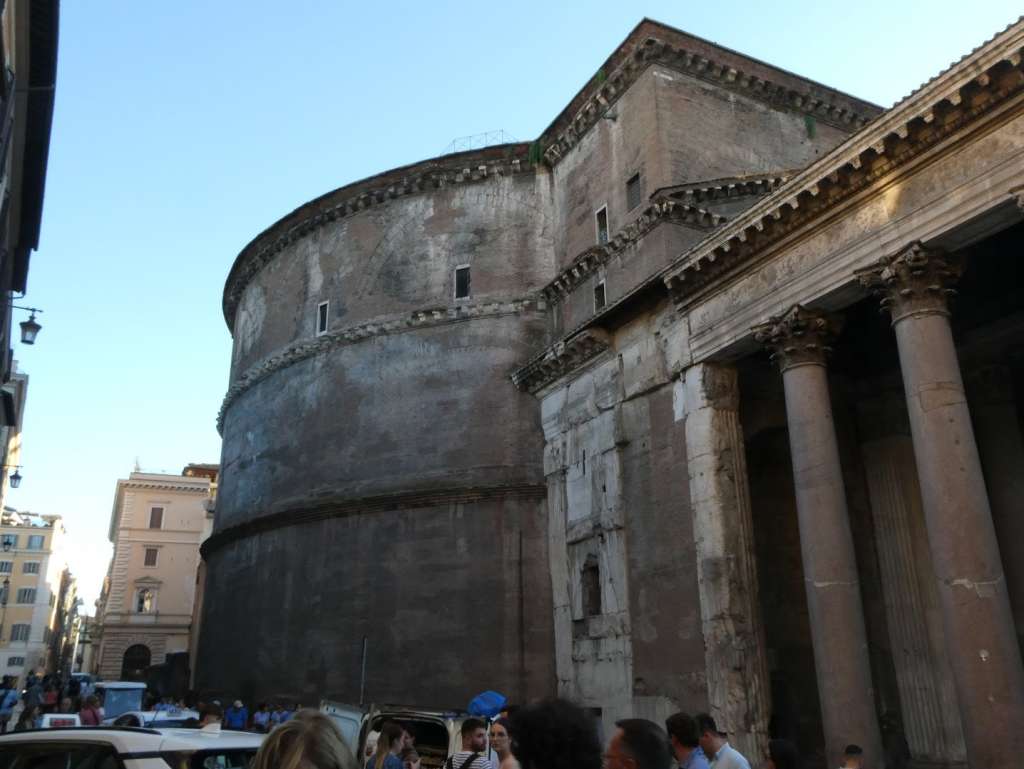
Figure 2: The Pantheon Exterior, as seen from Via della Minerva
Note. Photographed by the Author
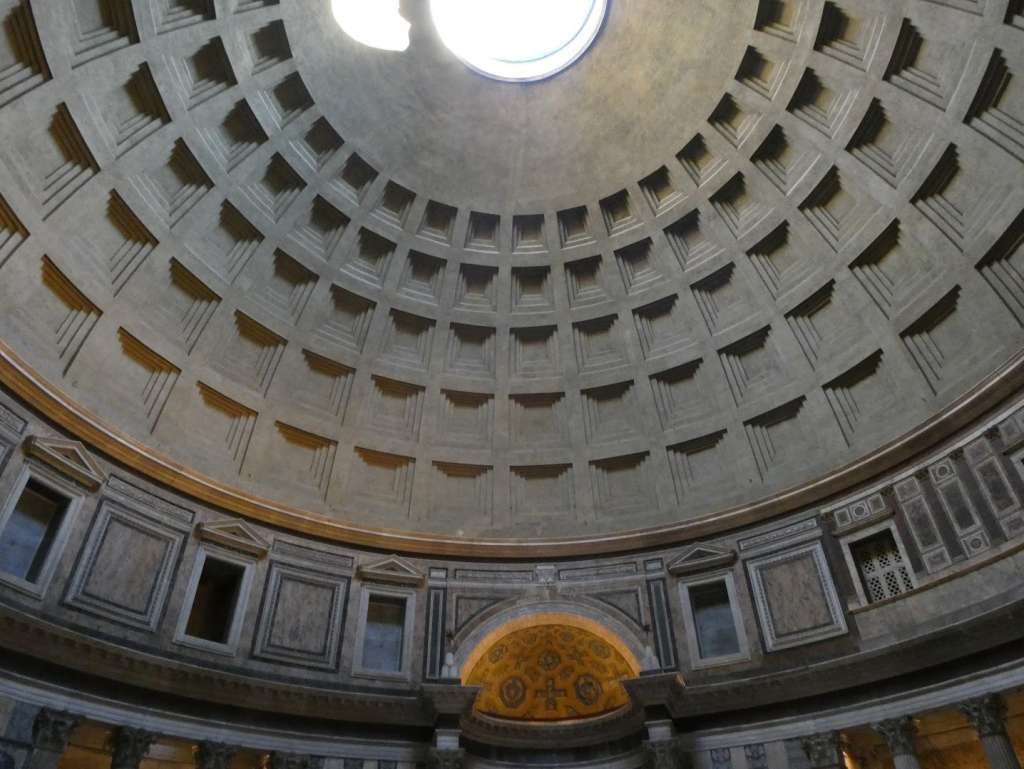
Figure 3: Interior View of The Pantheon’s Dome and Drum
Note. Photographed by the Author
Illustrated in Figure 4, the spherical dome shape of the roof results in compressive stresses due to self-weight in the meridional direction. The case of self-weight produces tensile stresses in the hoop direction at the bottom of the dome, with the top of the dome being entirely in compression (Pesciullesi et al., 1997). For an ideal circular dome of consistent density and thickness, the transition from tensile to compressive hoop stresses occurs at approximately 0.904 radians of elevation from the sphere’s center (Pesciullesi et al., 1997, p.1). In the case of the Pantheon, this shift occurs approximately halfway up the dome (Mark and Hutchinson, 1986).
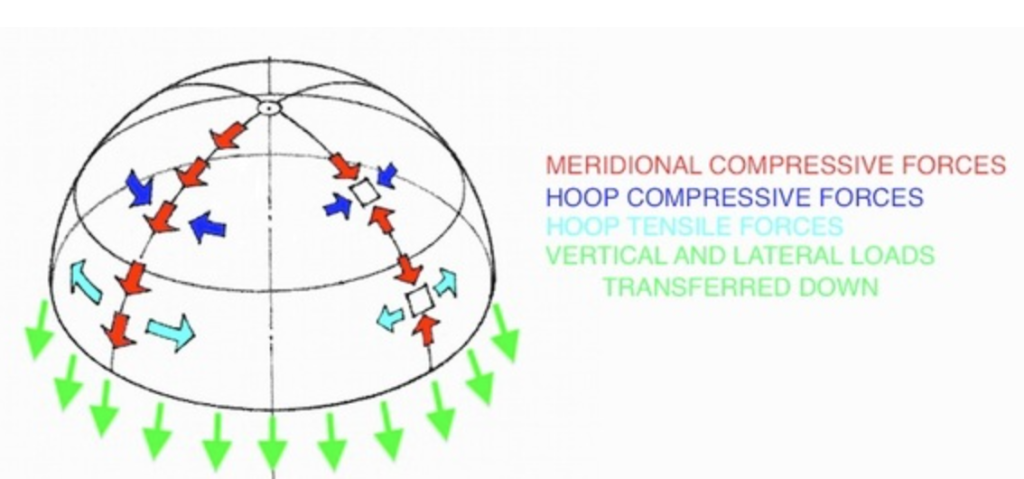
Figure 4: Internal Stresses in a Circular Sphere
Note. From Three Dimensional Compression Structural Systems. System description – three dimensional compression structural systems. (n.d.). https://3dcompression.weebly.com/system-description.html
Relieving Arches
The drum of the Pantheon contains many relieving arches. According to Giangiacomo Martines, relieving arches serve to direct vertical forces away from their keystone, allowing for the addition of voids and materials that cannot carry the necessary loads. While some relieving arches were utilized for construction purposes, the Pantheon’s drum contains many arches with void space underneath, relieving the space from vertical loads (Martines, 2015). Figure 5 illustrates all relieving arches found in the Pantheon’s rotunda and portico.
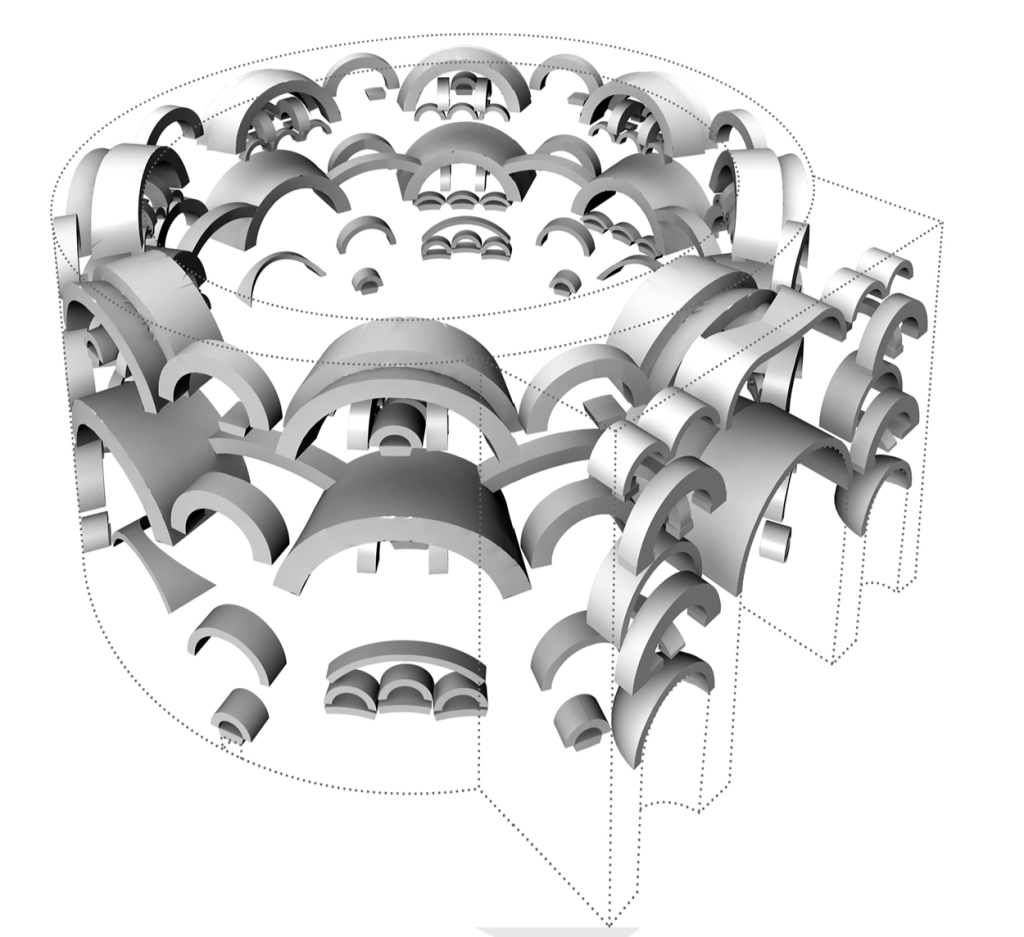
Figure 5: Layout of the Pantheon’s Relieving Arches
Note. Armature of relieving arches embedded in the Pantheon. From Building on Adversity: The Pantheon and Problems with its Construction (p. 195), by M. Jones and R. Grover, 2015.
Upon my own trip to the Pantheon, I observed many of these arches. Below I have included examples that overarch voids and doorways (Figures 6-8). Both doorways and voids have compromised ability to support vertical loads, suggesting that these specific arches were added in anticipation of the building’s final load paths rather than to aid construction.
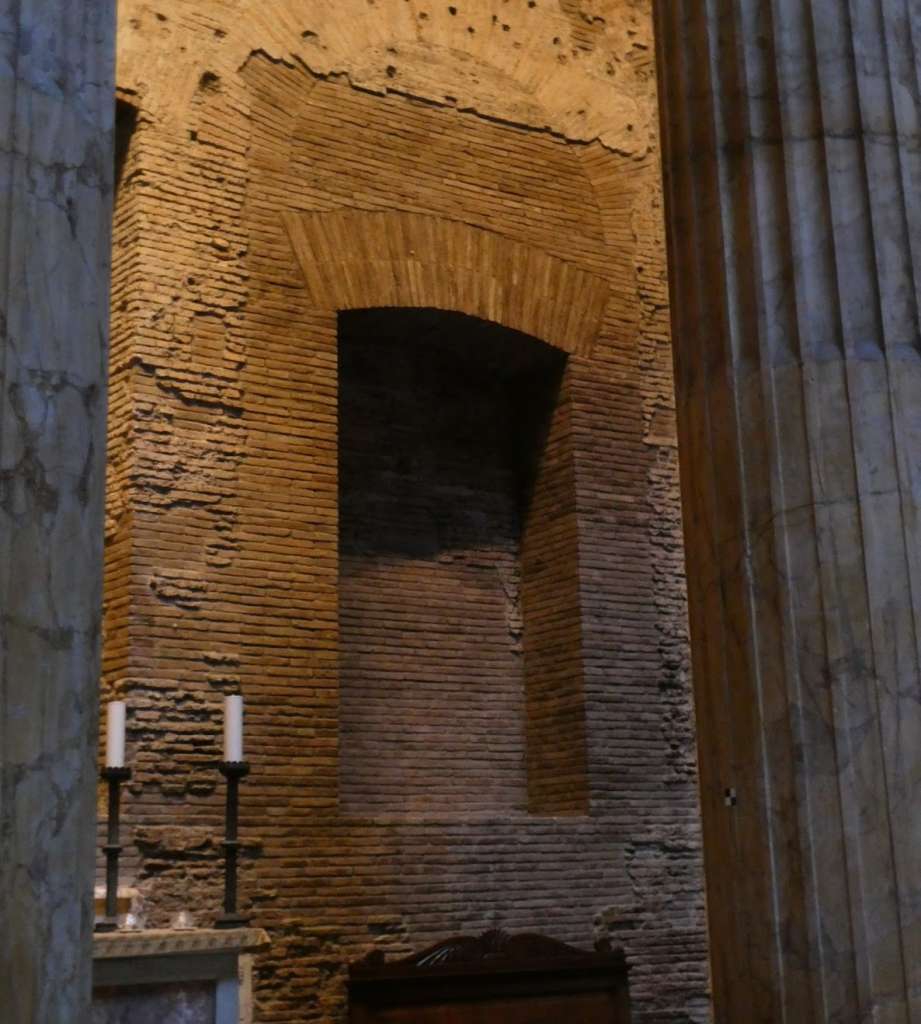
Figure 6: Interior Arch Supporting Void Space
Note. Photographed by the Author
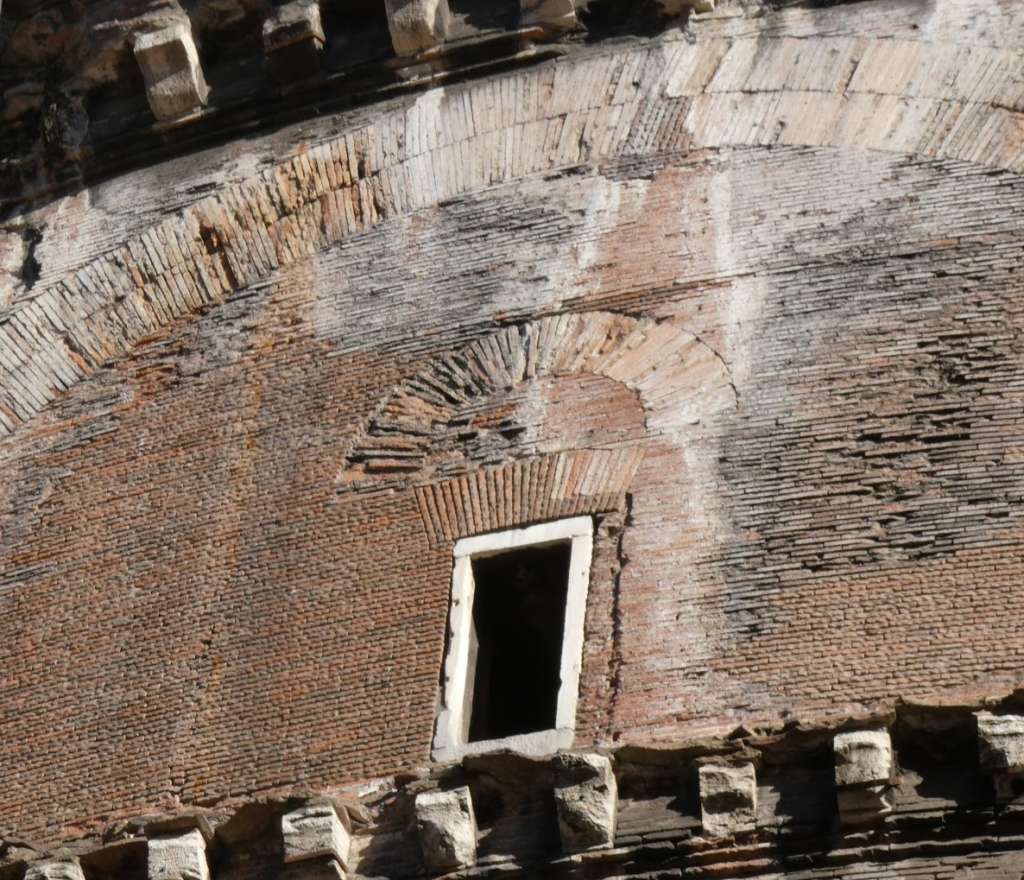
Figure 7: Exterior Relieving Arches
Note. Photographed by the Author
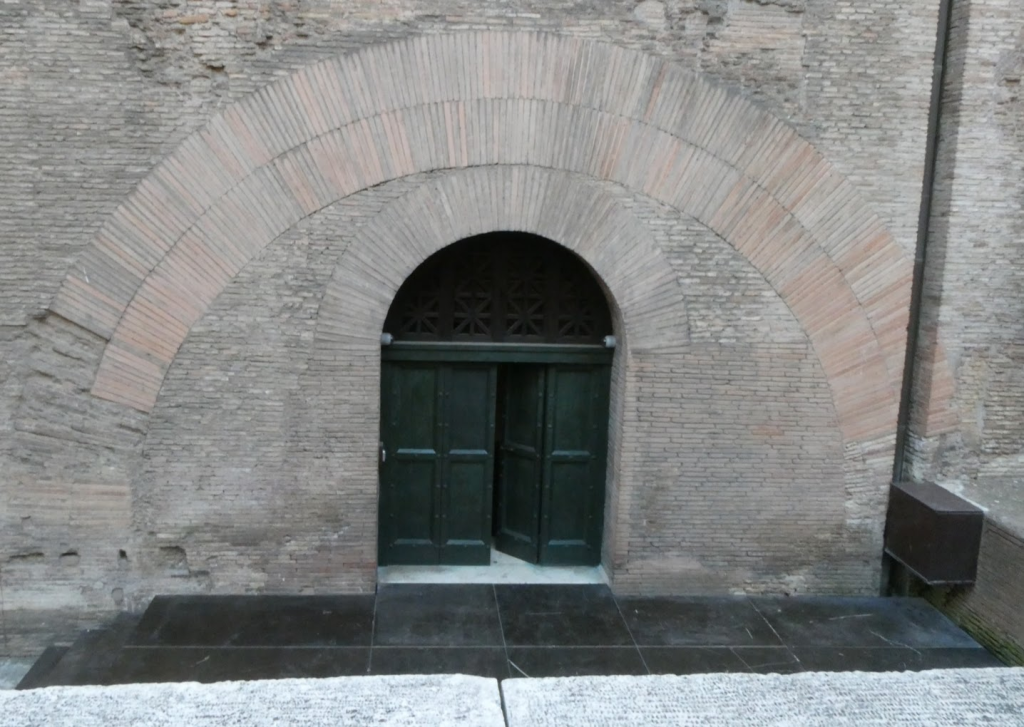
Figure 8: Exterior Relieving Arch Over Doors
Note. Photographed by the Author
Stepped Rings
The Pantheon’s design utilizes seven stepped rings of varying thickness on the bottom half of the dome structure, the bottom of which is covered by the drum (see Figure 9). The rings provide reinforcement in the hoop direction, minimizing the deformation caused from sagging due to self-weight (Masi et al., 2018). The effect and intended function of the stepped rings is debated by several scholars, with some suggesting that the commonly adopted belief that their purpose is to relieve hoop stress is inaccurate (Brune, 2010). This idea is expanded upon in the section titled “The Ring Debate.”
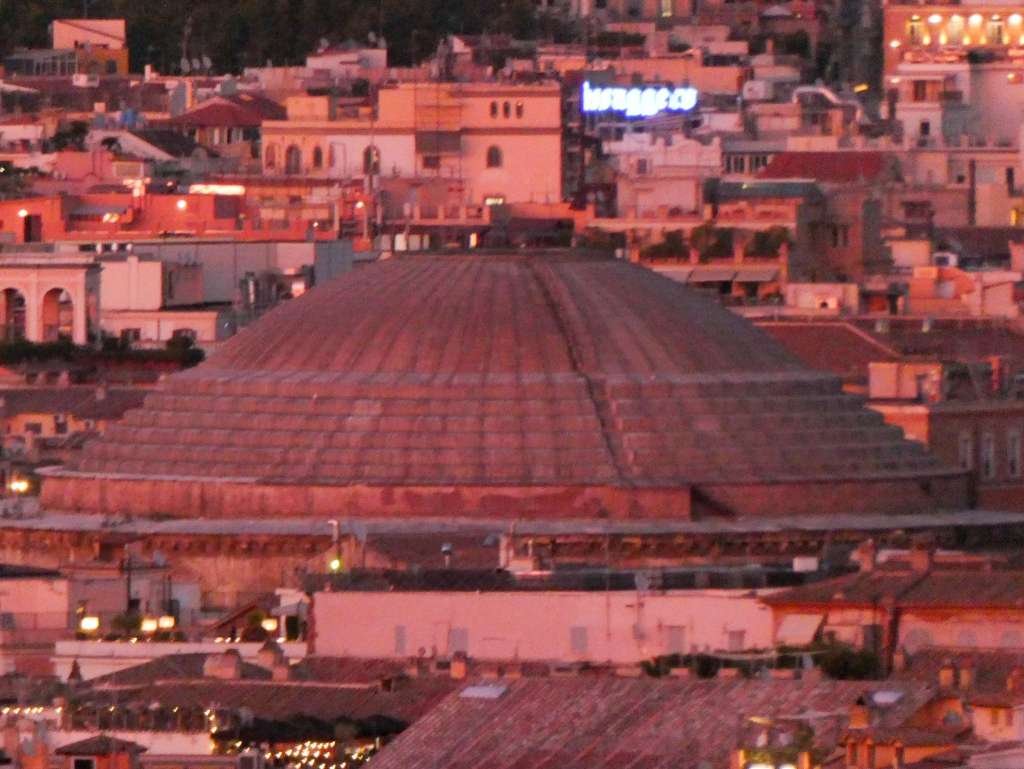
Figure 9: The Pantheon Dome, as Seen from Parco del Gianicolo
Note. Photographed by the Author
Coffers
It is commonly believed that the coffers in the Pantheon’s dome, seen in Figures 10 and 11, were added for the purpose of weight reduction (Mark and Hutchinson, 1986). Analysis done by Paul Hutchinson and Robert Mark (1986) found that the coffers reduce the weight of the Pantheon’s dome by less than five percent, suggesting that their structural effects are insignificant. It is therefore reasonable to conclude that the coffers only serve superficial purposes such as aesthetics and acoustic dampening (Mark and Hutchinson, 1986).
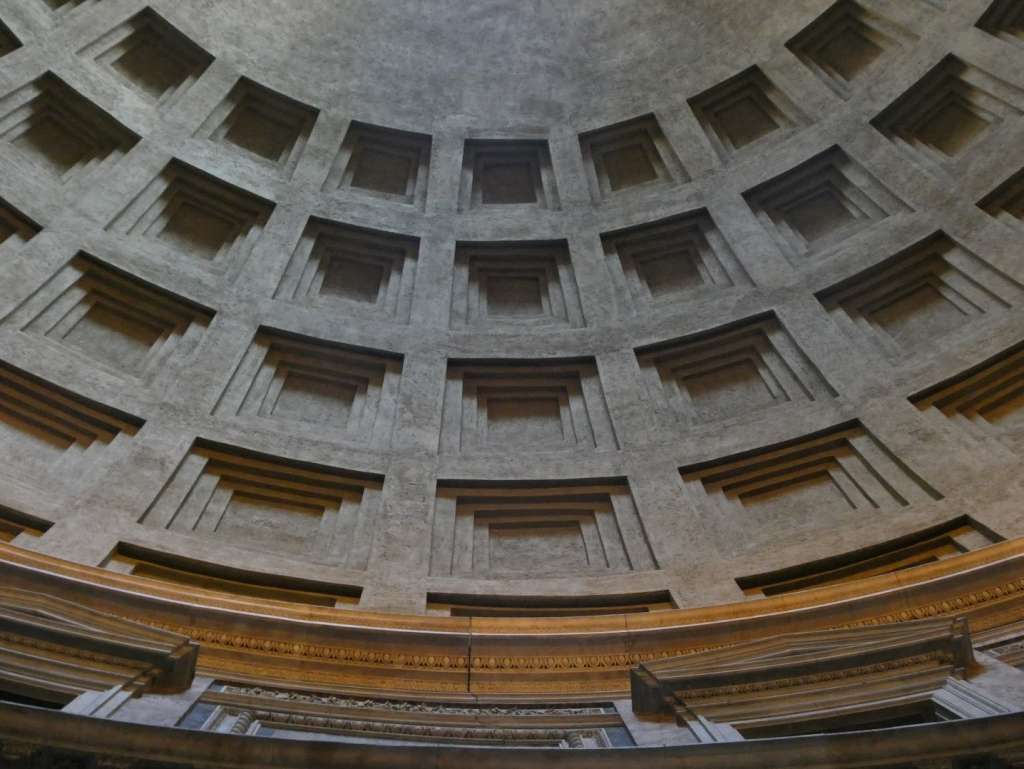
Figure 10: Coffers in the Pantheon Dome
Note. Photographed by the Author
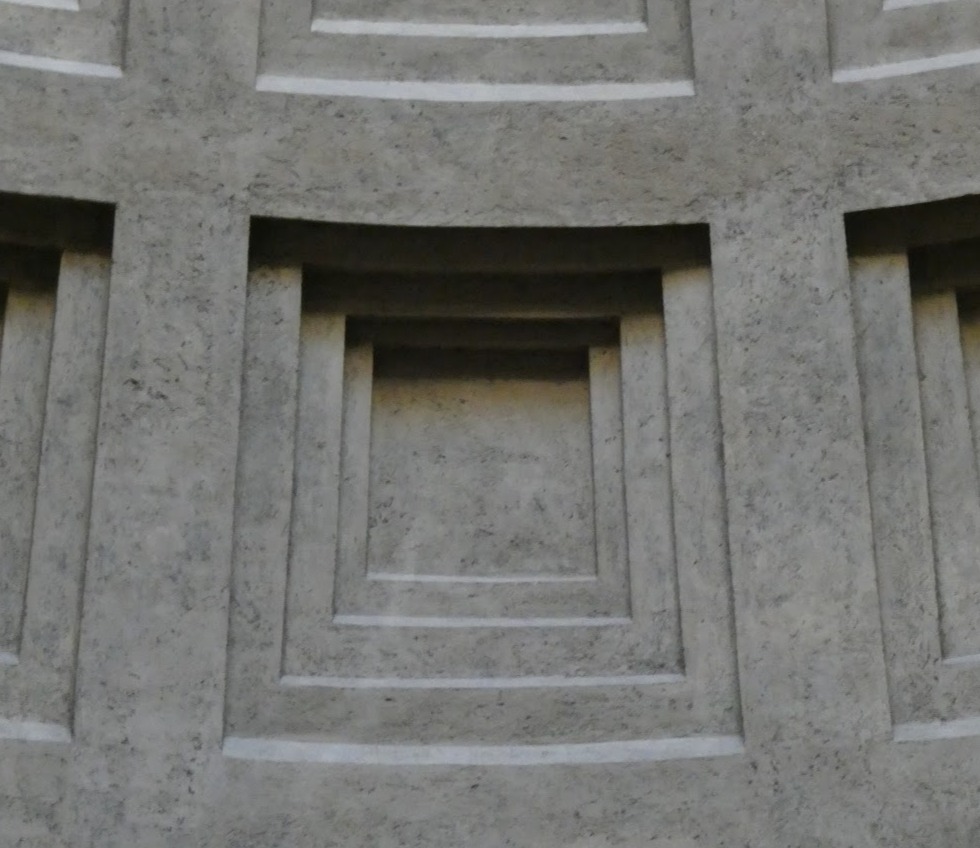
Figure 11: Detailed View of a Coffer
Note. Photographed by the Author
Lightweight Aggregate and Thickness Variation
The Pantheon utilizes several features that create a weight differential between the dome’s peak and base. As seen in Figure 12, the dome consists of three different concrete mixes, each with a different aggregate composition. As is typical for ancient Roman concrete, the bottom layer of the dome contains brick fragments as the primary aggregate. The second and third sections incorporate porous volcanic rocks of lower density (Masi et al., 2018). Mark and Hutchinson’s study concludes that the use of lightweight aggregate reduces the internal stresses by eighty percent (Mark and Hutchinson, 1986). The dome itself tapers in thickness, at approximately 5.9 meters thick at the base and 1.5 meters thick at the oculus (Masi et al., 2018). The oculus is a hole at the peak of the dome with a diameter of approximately 8 meters (Britannica Editors, 2026) . The oculus is the primary source of light for the interior of the structure (Britannica Editors, 2026), but it also serves to further reduce the dome’s weight (Mark and Hutchinson, 1986). The previously discussed stepped rings add a significant amount of mass to the dome’s base. The weight differential serves to reduce the moment arm developed between the base of the meridional arch sections and their center of gravity, reducing the deformation that causes tensile stresses in the structure and keeping the dome in static equilibrium (Masi et al., 2018).
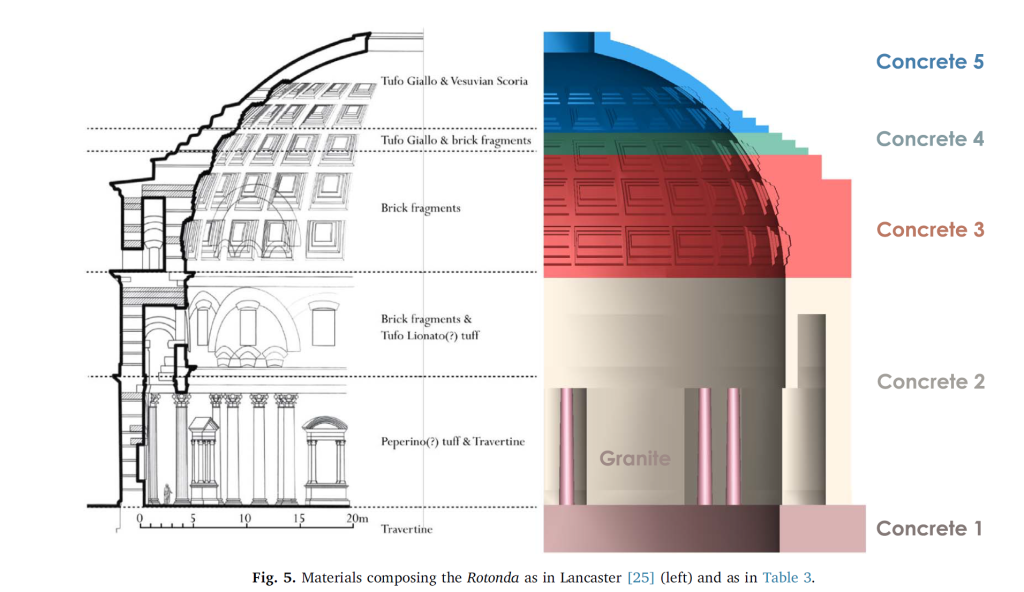
Figure 12: Concrete Layers of the Pantheon’s Rotunda
Note. From Masi, F., Stefanou, I., & Vannucci, P. (2018). On the origin of the cracks in the dome of the Pantheon in Rome. Engineering Failure Analysis, 92, 587-596.
Featuring many unique features, it is clear that the Pantheon’s design was intentional regarding both structural stability and aesthetics, allowing the structure to remain intact and providing justification for its preservation.
Cracks
Upon an inspection of the dome in 1930, it was revealed that the dome developed a pattern of cracks in the meridional direction, beginning approximately halfway up the rotunda, and ending approximately halfway up the dome (Jones, 2015, p. 196). These vertical cracks span the entire thickness of the walls, reaching both the interior and the exterior (Mark, 1987). Figure 13 is an illustration of the cracks observed (Masi et al., 2018). It is unknown when the cracks originated (Mark and Hutchinson, 1986). Possible causes of these cracks are discussed in the section titled “Possible Causes.” Because cracks divide the dome into meridional sections, the Pantheon’s dome behaves similarly to a radial series of arches with a common keystone at the oculus, which is reinforced with a brick ring, serving to evenly distribute compressive forces radially (Mark, 1987). Upon cracking, the hoop stresses in the cracked portions transition into bending stresses in the meridional direction. These tensile stresses are localized near the stepped rings (Masi et al., 2018). Some scholars believe that those who designed the Pantheon anticipated meridional cracking (Mark and Hutchinson, 1986), with the rings designed to counteract the forces that encourage the base of the meridional sections to splay away from the dome’s center by weighing down the ends (Mark, 1987).
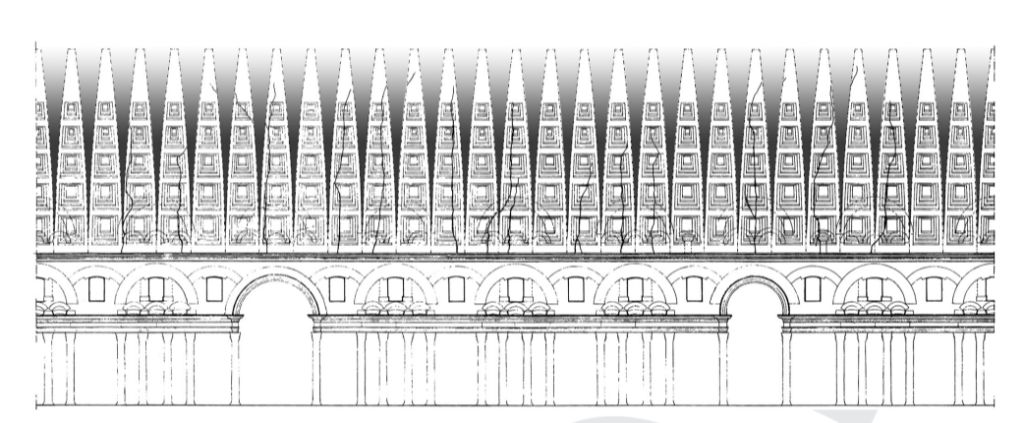
Figure 13: Projection of the Pantheon’s Interior Cracks
Note. Interior elevation of the rotunda, projected flat, showing the principal cracks in the structure. By Ippolita D’Ayala Valca, after A. Terenzio. From Mark, R., & Hutchinson, P. (1986). On the structure of the Roman Pantheon. The Art Bulletin, 68(1), 24–34. https://doi.org/10.1080/00043079.1986.10788309
Today, the interior of the dome is covered with a layer of plaster, and the cracks in the dome are not visible (Rocheleau, 2024). I observed cracks in the cornice at the top of the drum that align with the meridional direction, which may be a propagation of the cracks in the dome (Figure 14). There was one crack I observed that propagated into the innermost (decorative) layer of the drum, continuing in the direction aligning with the meridional cracks historically observed in the dome (Figure 15).
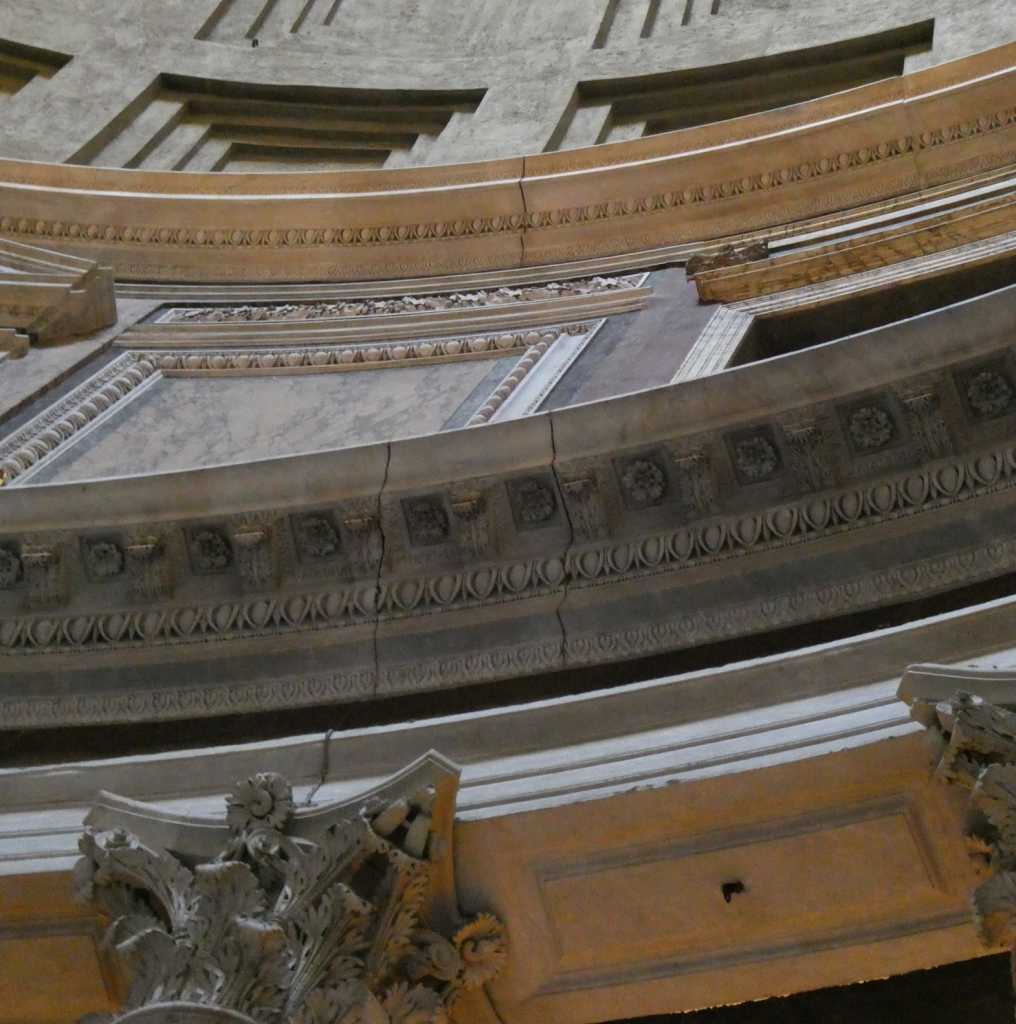
Figure 14: Cracks in the Cornice Above and Below the Pantheon’s Attic
Note. Photographed by the Author
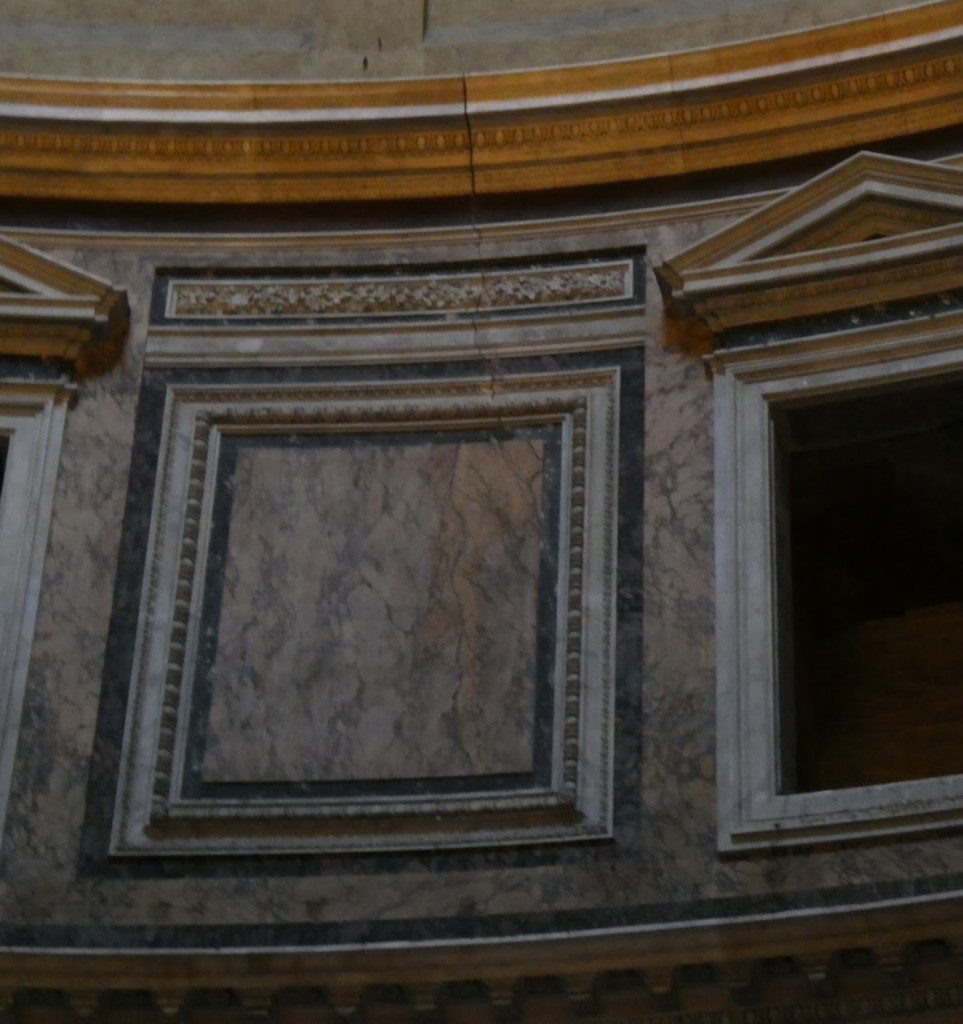
Figure 15: Crack in the Cornice Propagating Into the Pantheon’s Drum.
Note. Photographed by the Author
Possible Causes
Results from Mark and Hutchinson’s finite element analysis (FEA) of a Pantheon model suggest that the tensile stresses developed from the weight of the Pantheon’s dome were not significant enough to cause cracking (Mark and Hutchinson, 1986). Following the theory that self-weight alone was not high enough to induce significant tensile stresses, the origin of the Pantheon’s cracking may be attributed to a few scenarios.
Temperature
Because concrete expands when heated and shrinks when cooled, temperature may have been a contributing factor to the internal stresses that caused the cracking of the Pantheon. Expansion and contraction cycles driven by ambient temperature is a common cause of concrete cracking (Masi et al., 2018). Temperature differentials when curing and due to extreme weather may have also caused significant internal stresses throughout the Pantheon’s life.
Shrinkage and Formwork
Shrinkage is a virtually unavoidable occurrence when working with concrete. Internal stresses developed due to shrinkage during curing may have contributed to the cracking (Mark and Hutchinson, 1986). These stresses may have been exacerbated by formwork restraints, because a smooth dome shape requires intricate formwork (Masi et al., 2018).
Settling
The Pantheon was built on Campus Martius, a floodplain of the Tiber River in Ancient Roman times made of clay (DuTemple, 2003). Due to the unstable nature of the ground, the Pantheon’s foundation has experienced uneven settlement. The front of the portico is approximately 40 centimeters higher than the far end of the rotunda (Jones, 2015, p. 197). This settlement causes internal stresses that have likely contributed to the cracks in the structure.
The Ring Debate
From my research, I was able to find three FEA model studies of the Pantheon’s dome that considered its stepped rings. The first two are 2D analyses of a meridional slice of the dome: the FEA analysis done by Mark and Hutchinson mentioned above and another by Philip Brune. The final FEA analysis I came across was analysis of both 2D and 3D models by Filippo Masi. The hoop stresses in the first two models varied only slightly–reaching 66 MPa in Brune’s model and 59 MPa in Mark and Hutchinson’s model (Brune, 2010; Mark and Hutchinson, 1986). The significant difference in results occurred upon the removal of the stepped rings, with the hoop stresses decreasing in Mark and Hutchinson’s model by 20% and increasing by over 200% in Brune’s model (Brune, 2010; Mark and Hutchinson, 1986). Brune (2010) mentions that because Mark and Hutchinson did not provide details on the stress distribution or deformation of their model, he did not attempt to identify the origin of this discrepancy. Brune criticizes Mark and Hutchinson’s conclusion that the cracks originated very close to the time of the dome’s construction, suggesting that it is more likely that the cracks formed from seismic activity and foundation settlement (Brune, 2010). Masi aimed to investigate the discrepancy between the results using static analysis of 2D and 3D models. The results of Masi’s uncracked model analysis agreed with portions of both Brune and Mark and Hutchinson’s results. Masi’s uncracked model developed larger hoop stresses upon the removal of the rings, agreeing with Brune’s theory. In the cracked model, the rings provided counterweight to the cantilever-like structure of the meridional sections (Masi et al., 2018). On top of a static analysis, Masi ran a simulation of a shrinkage scenario. A simulation of the form’s shrinkage during curing revealed a pattern of 15 meridional cracks, closely mirroring the 14 cracks observed in 1930 (Masi et al., 2018). These results strengthen the theory that shrinkage originated during curing. Additionally, the results from the cracked model aligned with the theory that the dome behaves as a series of radial arches and suggests that the rings enhance the structural stability in both cracked and uncracked scenarios (Masi et al., 2018).
Conservation Efforts
Due to its ties with the Catholic Church, great efforts have been put forth to preserve the Pantheon since its consecration. The seventh century saw a surge of historic buildings being converted to Catholic churches due to laws requiring the conservation of them. The Pantheon, then named the Sancta Maria ad Martyres, was one of these structures (Solberg, 2013). During the Renaissance, the Catholic Church put forth remodeling efforts including a lead roof covering and interior decoration (Solberg, 2013). Today, the Italian Ministry of Culture oversees the maintenance and protection of the structure (Buonarroti, 2024).
A Modern Example: Flooring Repairs
More recently, a repair of the Pantheon’s marble flooring was carried out by the Italian Ministry of Culture. Seen in Figure 16, damaged pieces of the floor were replaced with a pigmented filler to allow for the slope of the flooring to be preserved (Buonarroti, 2024).
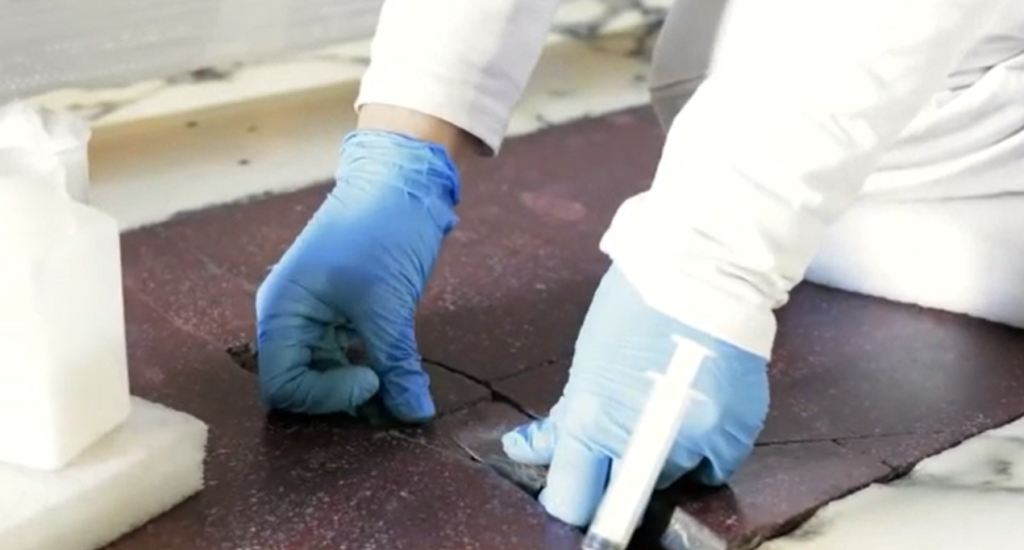
Figure 16: Repair Work on the Pantheon’s Flooring
Note. From Buonarroti, M. (2024). Pantheon: Il restauro della pavimentazione. Michelangelo Buonarrotiè. Tornato. https://michelangelobuonarrotietornato.com/2024/01/10/pantheon-il-restauro-della-pavimentazione/
While the Pantheon’s resilience can be attributed to the excellence of its engineering, it is evident that the continuous preservation and maintenance of the monument has contributed to its ability to persist.
A Note on the Value of Creative Expression
The Pantheon is not only impressive and inspiring due to its unique and thoughtful design, but also because of its ability to persist for nearly two millennia. Any civil engineer will agree that dealing with concrete means dealing with cracks; yet it has been an essential component of infrastructure for decades. There is a particular beauty in humans’ ability to adapt to the resources available to them. In the case of the Pantheon, engineers developed an idea that would be unheard of today without the use of reinforcement, and executed it magnificently. Some even argue that the cracking of the Pantheon adds to its strength and stability (Mark and Hutchinson, 1986). The cracks are a reminder of what we are capable of, and our ability to adapt to the challenges that we face.
The Pantheon stands as a testament to stewardship; its art and beauty are given time, effort, and relentless devotion. While the purpose of my visit was primarily to take photos and understand the scope of the structure, I found myself drawn to the energy I felt, and I dragged out my time as long as possible, admiring the beauty in the art, architecture, and history that the building holds. In recent history, there seems to be a decline in the design and development of grandiose structures. While the simplicity and efficiency of modern infrastructure allows for quicker development and economic efficiency, it lessens the humanity captured within it. On one hand, there is value in developing and sustaining as much infrastructure as possible, requiring efficient use of resources and solutions that can be implemented quickly. On the other, a decline of artistic structures results in a loss of creative expression and a dull environment. It is not without meticulous design and extensive maintenance and preservation efforts that the Pantheon is still enjoyed in 2026. In the case of the Pantheon, the Catholic Church has played a large part in its maintenance and renovation efforts; however, as the most visited site in Rome (Pantheon e Basilica, n.d.), it attracts visitors due to more than its religious associations. It is clear that a level of societal value is placed on the Pantheon due to its grandiosity and artistic significance. While it is important to keep efficiency and feasibility in mind while developing infrastructure, perhaps incorporating more creativity and sublimity will provide an incentive to preserve and improve upon it.
Conclusion
A result of meticulous design and engineering, the Pantheon serves as the heart of tourism in Rome. The utilization of relieving arches and stepped rings in tandem with techniques to develop a weight differential between the dome’s base and apex allowed the world’s largest unreinforced dome to come to fruition. Despite the extensive cracking that has occurred in its dome, the Pantheon is still structurally sound, testifying to the merit of the structural engineering that went into its design. Due to diligent maintenance efforts throughout history fueled by its intricate aesthetics and ties to the Catholic Church, the Pantheon remains a treasured piece of Catholic, architectural, and artistic history. The extent to which it is treasured speaks to the value of creative expression and its power to encourage preservation.
References
Britannica Editors. (2026). Pantheon | Definition, history, & facts | britannica. Britannica. https://www.britannica.com/topic/Pantheon-building-Rome-Italy
Brune, P. F. (2010). The Mechanics of Imperial Roman Concrete and the Structural Design of Vaulted Monuments (Order No. 3459266). Available from ProQuest Dissertations & Theses Global. (874157880). https://www.proquest.com/dissertations-theses/mechanics-imperial-roman-concrete-structural/docview/874157880/se-2
Buonarroti, M. (2024). Pantheon: Il restauro della pavimentazione. Michelangelo Buonarrotiè. Tornato. https://michelangelobuonarrotietornato.com/2024/01/10/pantheon-il-restauro-della-pavimentazione/
DuTemple, L. A. (2003). The Pantheon. Twenty-First Century Books.
Gods and goddesses of the Greek and Roman Pantheon. The British Museum. (2021). https://www.britishmuseum.org/blog/gods-and-goddesses-greek-and-roman-pantheon
Google Maps. (n.d.). [The Pantheon Location] [Map]. Retrieved September 17, 2026, from https://www.google.com/maps/place/Pantheon/@41.9028161,12.4461305,13.44z/data=!4m6!3m5!1s0x132f604f678640a9:0xcad165fa2036ce2c!8m2!3d41.8986108!4d12.4768729!16zL20vMDF4emR6?entry=ttu&g_ep=EgoyMDI2MDkxNC4wIKXMDSoASAFQAw%3D%3D
Hadrian’s Rome: Hadrian’s Rome: 2.1 introducing the pantheon | openlearn – open university. Open Learn. (n.d.). https://www.open.edu/openlearn/history-the-arts/hadrians-rome/content-section-2.1
Jones, M. W. (2015). Building on adversity: the Pantheon and problems with its construction. The Pantheon: From Antiquity to the Present, 193-230.
Mark, R., & Hutchinson, P. (1986). On the structure of the Roman Pantheon. The Art Bulletin, 68(1), 24–34. https://doi.org/10.1080/00043079.1986.10788309
Mark, R. (1987). Reinterpreting Ancient Roman Structure. American Scientist, 75(2), 142–150. http://www.jstor.org/stable/27854535
Martines, G. (2015). The conception and construction of drum and dome. The Pantheon: From Antiquity to the Present, 99-131.
Masi, F., Stefanou, I., & Vannucci, P. (2018). On the origin of the cracks in the dome of the Pantheon in Rome. Engineering Failure Analysis, 92, 587-596.
Pallavicino, L. (2026, July 13). History of the Pantheon in Rome and curiosities to discover. Pantheon Rome. https://www.pantheonroma.com/en/pantheon-history/
Pantheon e basilica di Santa Maria ad Martyres. Ministero per i Beni e le Attività culturali e per il Turismo. (n.d.). https://cultura.gov.it/luogo/pantheon
Pesciullesi, C., Rapallini, M., Tralli, A., & Cianchi, A. (1997). Optimal spherical masonry domes of uniform strength. Journal of Structural Engineering, 123(2), 203–209. https://doi.org/10.1061/(asce)0733-9445(1997)123:2(203)
Rocheleau, M. (2024). A Brief Architectural History of the Roman Pantheon. Rost Architects. https://www.rostarchitects.com/articles/2023/1/25/the-pantheon
Solberg, K. (2013). Overwhelming Responsibilities: The Medieval Conservation of Ancient Rome.
Three Dimensional Compression Structural Systems. System description – three dimensional compression structural systems. (n.d.). https://3dcompression.weebly.com/system-description.html